
Zinc gluconate first popped up on the radar of nutritionists and chemists around the 1930s when research into mineral deficiencies started gaining steam. Doctors and scientists noticed that zinc played a crucial role in the human body’s growth and immune response. The need for a soluble, easily-absorbed form led researchers to organic salts. Gluconic acid, a byproduct of glucose fermentation, linked with zinc to produce this compound. With time, it became popular in dietary supplements and lozenges during cold and flu season, especially after some clinical trials hinted at zinc's ability to shorten the duration of the common cold. The compound’s walk from laboratory curiosity to staple ingredient in supplements and health products represents a fascinating case of science catching up with clinical need.
Zinc gluconate shows up in the form of a white to off-white powder. It dissolves well in water, which makes it a handy ingredient for pills, syrups, and even cosmetics. Manufacturers use it for its mild taste compared to other zinc salts and its lower risk of gastrointestinal irritation. In my experience, navigated through stacks of supplement bottles and spent time talking to nutritionists, there’s real consumer demand for supplements that won’t cause nausea or metallic aftertaste. This particular zinc salt meets that demand. With more people taking a keen interest in immunity and personal health, zinc gluconate remains a popular choice for both dietary supplements and over-the-counter medications.
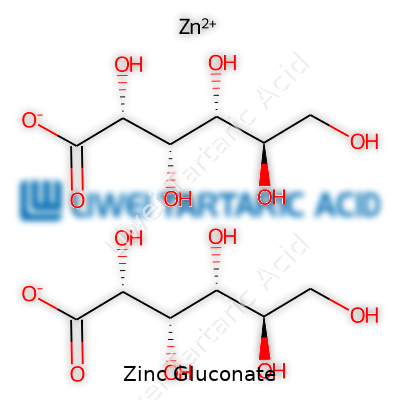
The compound’s chemical formula is C12H22O14Zn. Its molecular weight sits at 455.68 g/mol. It presents as a stable, crystalline solid under standard conditions. Zinc gluconate resists caking in dry air and dissolves in hot or cold water to form a clear solution. Its pH in solution typically stays in the slightly acidic range, which reflects the gluconic acid component. The ionic structure plays a role in its high bioavailability when compared to inorganic alternatives such as zinc oxide. Along with its solubility, these physical traits impact where and how the ingredient shows up in products, from lozenges to fortified drinks. Manufacturers routinely check these properties to ensure consistent performance and shelf life.
Strict technical documentation governs the commercial trade of zinc gluconate. Product certificates lay out the minimum and maximum levels of zinc, moisture content, lead, arsenic, cadmium, and other potential contaminants. Regulatory agencies like the USP or European Pharmacopoeia establish stringent thresholds—zinc content typically ranges between 12-14%. Manufacturers label products with clear dosage information, warnings for those with sensitivities, and storage instructions to avoid caking and product degradation. Regulatory scrutiny ensures that supplements provide the health benefits promised without sneaking in harmful levels of contaminants. The landscape of supplement labeling keeps shifting, but accurate, honest information about source, concentration, and purity remains key.
Production of zinc gluconate usually starts with gluconic acid, which comes from the fermentation of glucose using specific strains of fungi or bacteria. Zinc carbonate or zinc oxide gets introduced to neutralize the gluconic acid, forming the gluconate salt and leaving behind water and a bit of carbon dioxide. The resulting solution is filtered, concentrated, and dried to yield the finished powder. From industrial chemists to food technologists, everyone along the supply chain knows the importance of tight process controls: improper temperature or mixing times introduce variability or unwanted byproducts. These challenges require careful monitoring and the use of high-purity, pharmaceutical-grade raw materials. This meticulous process keeps the compound within required purity standards, ensuring safety from plant to end consumer.
Zinc gluconate stands up well to most physical and chemical stressors, but exposes some chemistry quirks. It will break down in strong acidic or basic environments, losing its integrity and dissociating into its component ions. This matters during blending with acidic fruit flavors or vitamin C in beverage mixes, where formulation experts have to tweak pH or buffer systems to keep everything stable. Reactivity with other minerals, such as calcium or magnesium, sometimes affects absorption in the digestive tract due to competition for transporters. Advances in encapsulation and chelation technology aim to address these issues, ensuring consistent delivery and bioavailability in ever-more-complex multi-nutrient supplements.
Across product labels and scientific papers, zinc gluconate sometimes hides behind alternate names: D-gluconic acid zinc salt, Gluconic acid, zinc salt (2:1), or simply Zinc(II) gluconate. Health supplements might list it as “zinc gluconate” or “zinc gluconate USP grade.” Not all synonyms point to identical grades or purities. Some products offer “food-grade” versions while others market “pharmaceutical-grade” specifically for medicine or injectables. Anyone buying or prescribing supplements pays close attention to these small-label details, since differences affect both safety and performance.
Regulatory scrutiny covers zinc gluconate from the moment raw materials leave the warehouse. Both the U.S. Food and Drug Administration and the European Food Safety Authority set strict tolerances for impurities and trace metals. Good Manufacturing Practice (GMP) rules overview each step, from fermentation and neutralization to drying and packaging. Companies train personnel to avoid cross-contamination with allergens or toxic metals, and finished batches undergo repeated testing. The World Health Organization’s guidelines for zinc supplementation, especially in children and pregnant women, serve as a global benchmark. Despite these controls, incidents sometimes occur, such as sporadic recalls due to high lead content traced back to contaminated raw materials. This calls for robust supply-chain audits and close cooperation among chemists, quality inspectors, and health authorities to keep products safe from farm to pharmacy.
Many think of zinc gluconate as a staple vitamin additive, but it crosses into several sectors. Dentists use it in oral hygiene products due to suspected anti-bacterial properties, and some topical creams for wound healing use it for its low irritancy and zinc content. In animal nutrition, feed manufacturers count on it for poultry and swine. In dermatology, research groups have looked at zinc gluconate for acne treatment—some studies show it reduces inflammation when taken as adjunct therapy. Beverage and dairy companies sometimes fortify juices and yogurts with zinc gluconate, especially in children’s products. This wide adoption comes down to its palatability, cost efficiency, and recognized safety in daily human consumption.
Research on zinc gluconate stretches well beyond the immune-health connection. Several teams work on enhancing its bioavailability by tweaking particle size or co-formulating it with absorption enhancers. Others have taken a keen interest in its antiviral potential, with new studies examining high-dose lozenges in respiratory infections. A few groups investigate how zinc gluconate interacts with gut microbiota and impacts systemic inflammation. Industry research into “green” fermentation and eco-friendly drying processes aims to cut production costs and environmental footprint. In speaking with scientists who’ve worked in both academia and industry, there's real optimism about new delivery forms—such as nano-encapsulated or slow-release beads—hitting the shelves in the future.
Like all micronutrients, zinc gluconate delivers health benefits up to a point, past which adverse effects creep in. Short-term overdoses produce nausea, vomiting, digestive distress, and headaches. Chronic overexposure leads to suppression of copper absorption, immune dysfunction, and neurological issues. Animal studies indicate that zinc gluconate is among the safer forms for daily ingestion, given appropriate dosing. Regulatory agencies warn against long-term, self-prescribed high doses of zinc supplements due to cumulative toxicity risk, especially in children or those with underlying metabolic conditions. Altogether, decades of published work back its safety at standard supplement doses found in multivitamins, but reinforce the case for strong educational outreach around responsible use. Labels and healthcare providers have a shared responsibility to inform the public about both benefits and risks.
The market for zinc gluconate won’t stay static. As nutrition science evolves, demand will follow. I have seen major supplement brands invest heavily in consumer education and product transparency. Formulators want even better-tasting, more absorbable, and environmentally sustainable zinc sources. Fast-moving trends in personalized nutrition and functional foods push for innovations in how minerals like zinc get delivered. On the research side, new work aims to clarify zinc’s function in chronic disease prevention, sports performance, and even cognitive health. If regulatory shifts require clearer scientific evidence, companies and researchers will need to partner up even more closely. Zinc gluconate’s enduring appeal lies in its reliable record, flexible usage, and the growing body of science sharpening our understanding of trace nutrients in human health. Those keeping a close eye on clinical and production trends will spot plenty of movement ahead.
Walk through the aisles of any pharmacy and you’ll spot bottles of zinc supplements, many labeled as zinc gluconate. Popular during cold season, this compound seems to fly off the shelves once sniffles start making the rounds. Zinc gluconate isn’t some mysterious, lab-only concoction—it’s a blend of zinc with gluconic acid, aiming to make zinc easier for the body to absorb.
Zinc supports functions that most folks rarely think about. Our cells use it for repairs and division, keeping the immune system punching at full force. Kids need zinc for proper growth. People of all ages need it for healing cuts or burns, keeping skin healthy, and even helping maintain a sharp sense of taste and smell.
Let’s talk colds. Many use zinc gluconate lozenges once a scratchy throat or a runny nose pops up. Some studies link zinc gluconate to shorter colds, especially when folks act quickly. The mineral seems to slow the virus’s roll and reduce how rough those days feel. While every winter seems to bring some new “hack” for flu season, reaching for zinc always draws attention because there’s genuine science behind the buzz.
Beyond colds, zinc gluconate finds a place in treating people with low zinc from poor diets or specific health problems. Low zinc comes with its own set of troubles: more infections, slow healing, rashes, even hair loss. Doctors sometimes recommend zinc gluconate because it’s easier on the stomach than zinc sulfate, and it allows people to get zinc’s benefits without the harsh side effects some other forms bring.
In a perfect world, everyone would grab enough zinc through meals, munching nuts, beans, meat, and whole grains. Some vegetarians and older adults come up short. Even teens growing fast or people with digestive problems might slide into deficiency without realizing it. Food choices, health conditions, or even strict diets put certain groups at risk, so zinc gluconate steps up as a backup plan.
Zinc gluconate turns up in more than just supplements. Dentists use it for mouthwashes because it’s gentle on tissues but tough on bad breath. A few prescription creams use it for its skin-healing punch. Science keeps chasing new uses both for immunity and beyond.
No pill fixes everything. Too much zinc brings its own problems—nausea, headaches, and trouble absorbing copper. A big takeaway is to watch how much you’re taking, especially if you follow fad advice or mix and match several supplements at once. Always wise to loop your doctor in before starting, especially if you have other health issues or take daily medications.
Supporting health through smart choices doesn’t mean buying every bottle that promises an immune boost. Education helps folks see when something like zinc gluconate adds value: for real deficiencies, for quick action against a cold, and to help certain groups fill nutritional gaps. Teaching about both benefits and limits nudges families, clinics, and even schools toward better health outcomes.
Grabbing a bottle of zinc gluconate at the pharmacy can seem like a harmless step toward better health. Plenty of people turn to zinc, especially during cold season, spurred by claims it can shorten illness, support the immune system, or help with skin issues. Over years of writing, researching, and observing how supplements affect folks, I’ve realized each over-the-counter mineral packs a punch, both good and bad. Zinc gluconate offers real benefits, but don't ignore side effects, especially if you're mixing supplements or doubling up without realizing it.
Stomach troubles, including nausea, vomiting, and indigestion, make up the most frequent complaints I’ve heard about zinc gluconate. The body isn’t built for excess zinc on an empty stomach; that metallic taste after swallowing can be hard to shake. Doses beyond the daily recommendation, which sits close to 8 mg for women and 11 mg for men, may stir up cramps, gas, and even diarrhea. I remember friends trying to ride out a winter bug by doubling doses, only to end up closer to the bathroom than the office.
Excess zinc can disrupt other minerals. One problem: zinc competes with copper and iron during digestion. I saw this first-hand in a relative—after taking high doses over a few months, bloodwork flagged low copper levels and mild anemia. Doctors attribute this partly to zinc’s ability to block copper absorption. The body needs copper and iron for everything from oxygen transport to nerve health. Anyone relying on supplements for an extended period should keep tabs with regular blood tests and consult a doctor about safe dosages.
Over-the-counter lozenges promise fast relief, but some users complain about a lingering metallic taste, dry mouth, or even mouth sores. Several patients in clinical trials reported tongue irritation and taste changes lasting weeks after stopping the supplement. Taste matters—sudden changes affect appetite and the pleasure of eating, so it's not just a small nuisance. Avoiding high-dose lozenges and limiting use to short bursts might reduce risk.
People often hear zinc helps the immune system, so it sounds odd to learn that too much can have the opposite effect. Over-supplementation, especially above 40 mg per day, may interfere with immune function. I’ve seen research and anecdotal reports in which people seemed more susceptible to infections after months of high-dose zinc. The body reacts well to balance—not extremes.
Supplements help fill nutritional gaps, not replace a nutritious diet. Instead of guessing, getting blood tested before starting regular zinc helps spot existing deficiencies. Pharmacists can flag drug interactions, since zinc sometimes interferes with antibiotics and diuretics. Adding more leafy greens, legumes, and lean meats provides steady zinc without risk of overdose. Education, routine blood work, and honest conversation with healthcare professionals form a safer path—one that keeps benefits high and side effects in check.
Zinc keeps immune systems strong, helps wounds heal, and supports taste and smell. Lots of folks fall short on zinc, and supplements like zinc gluconate help fill the gap. I’ve seen friends look for quick fixes during cold season, grabbing any supplement they spot on the shelf. Taking zinc the right way matters more than just swallowing a pill each morning.
Doctors and nutritionists point out daily zinc targets: adult men need about 11 mg, and adult women need around 8 mg, based on recommendations from the National Institutes of Health. It's easy to go overboard: some lozenges and multivitamins contain more than the daily limit. Too much zinc causes nausea, cramps, and can mess with copper absorption. One time, a coworker started doubling up on supplements, then wondered why she felt sick a few days later. It’s a classic example—more isn’t always better.
I learned through trial and error that zinc on an empty stomach leads to a queasy feeling. A light meal, like toast or some fruit, wards off nausea. I stay away from taking zinc with big calcium or iron supplements, since those minerals compete for absorption in the gut. If you want zinc to work, take it solo—give it its own time slot an hour before or two hours after a meal with lots of milk, cheese, or iron-rich food.
Some supplements promise “high absorption,” but real absorption depends on what you eat and your health. Vegetarians need a little extra zinc, since plant proteins and phytates slow it down. If you stick with a trusty grilled cheese for lunch, you may want to nudge your zinc higher or consider foods like pumpkin seeds and beans, which fit the bill naturally. Health conditions such as Crohn’s disease or chronic diarrhea lower absorption, so a doctor may suggest a different dose or type of supplement. Personalized advice always beats guessing in the vitamin aisle.
Short bursts of zinc—like using lozenges for a cold—work for some, but long-term daily use raises questions. The body needs some zinc every day, but high doses over time suppress the immune system. I remember reading about a guy who downed megadoses for months, only to catch more bugs than before. It’s all about moderation. Get labs checked if you plan to stay on zinc supplements, especially if you eat a restrictive diet.
Always check the label for dosage. Don’t try to fix a bad diet with a bottle of pills—food comes first. Try adding zinc-rich foods, like beef, shellfish, legumes, nuts, and seeds, before reaching for a supplement. If your doctor gives you a green light, pick a brand with third-party testing for quality. Store supplements away from kids, and notice if you get any stomach upset. For anyone who takes regular medication, ask a pharmacist or healthcare provider since zinc interacts with some antibiotics and diuretics.
Zinc gluconate often slips onto store shelves as a remedy for colds, immune health, and dietary gaps. Many folks see it as a harmless mineral boost, yet the moment it joins the routine alongside prescription meds, risks can show up. Zinc doesn’t hide from science: this mineral helps keep cells working, enzymes moving, and the immune system tuned. Common sense says, before grabbing that bottle, take a closer look at what can happen when zinc meets other drugs inside the body.
Folks often don’t realize that zinc gluconate and antibiotics just don’t mix well without careful planning. Drugs like tetracyclines and quinolones—think doxycycline or ciprofloxacin—have trouble working when zinc jumps in. Zinc latches onto these antibiotics in the gut and drags their effectiveness down. In real terms, an infection can linger longer, or the antibiotics might not work at all, just because of this unexpected pairing. Most pharmacists, including myself in years of community work, recommend spacing out zinc and antibiotics by a few hours, which keeps both working as intended.
Other regulars in the medicine cabinet, like penicillamine (for rheumatoid arthritis) or certain diuretics that pull zinc out of the body, can also cause trouble. Penicillamine needs to be on its own, with enough time between doses to keep absorption steady. Diuretics, on the other hand, make the body lose zinc, which can confuse things even more for those adding more zinc supplements to the mix.
A lot of folks chasing better energy, clearer thinking, or fewer colds feel tempted to add zinc on top of multivitamins and other supplements. Less obvious is how extra zinc can lower copper levels over time, which shows up as trouble in nerves and blood, and can take months to spot. The danger isn’t just missing out on a mineral. For people already dealing with medications for chronic conditions, too much or too little of these trace elements can muddle a doctor’s expectations or want for steady test results. Vitamin and mineral supplements aren’t harmless just because you can buy them without a prescription.
Zinc supplements pop up in everything from lozenges to powders. Some folks take them daily, even if their diet covers the basics. Side effects don’t end at minor stomach upset or a metallic taste. Go high on zinc, and the body can become less able to absorb certain antibiotics or properly balance copper. A quick chat with a doctor or pharmacist clears up confusion fast. In my experience, honest conversations make sure a small pill doesn’t undo the benefits of prescribed treatments.
Practical solutions come back to organization. Keep a current list of all medicines and supplements. Share that list during check-ups. Tools like medication organizers or reminder apps help, too. Double-check before adding any supplement. Side effects or missed doses often come from simple missteps. Informed choices bring peace of mind and real health benefits, especially for folks juggling several prescriptions. Trust between patient and provider makes all the difference—questions are always worth asking.
Zinc shapes a lot of what goes on in our bodies each day. It builds up the immune system, helps wounds heal, and supports healthy growth. For pregnant women, zinc plays a role in DNA creation and cell division, which drive the baby's development. Deficiency doesn’t just slow down development—it can raise risks like low birth weight and problems during delivery. It’s fair to call zinc an essential mineral for a growing body, especially for anyone who’s pregnant or recently had a child.
Pharmacies and clinics often sell zinc supplements in forms like zinc gluconate, mainly because the body can absorb it more easily than some other types. I’ve noticed patients are drawn to it because it often appears on the supplement aisle, right next to prenatal vitamins. For many, it seems like a simple solution to keep up with nutritional needs, especially if morning sickness makes it tough to stick to a regular, balanced diet.
Studies support that women need more zinc during pregnancy. The National Institutes of Health say the recommended daily allowance jumps from 8 mg in non-pregnant women to 11 mg during pregnancy and 12 mg while breastfeeding. This isn’t a small increase; these numbers highlight the extra demand that a growing fetus places on the mother’s reserves.
Research from institutions like the World Health Organization shows that supplementing zinc in places where deficiency is common can lower risks of complications during birth. Still, not all studies agree on how much extra zinc actually helps if someone’s diet already provides enough. Taking more than necessary, especially above 40 mg per day, can lead to side effects such as nausea or lower absorption of copper. That’s a risk many overlook when turning to over-the-counter supplements.
Zinc gluconate counts as “generally recognized as safe” in proper amounts. Yet safety depends on the dose. The U.S. Food and Drug Administration and obstetricians recommend keeping total zinc intake below the upper limit to avoid side effects. Side effects typically show up at high doses, so sticking with a doctor’s guidance matters. I’ve seen cases where extra supplements do more harm than good—causing digestive trouble or messing with other minerals.
Doctors usually check for signs of deficiency during prenatal visits. Diet often covers most zinc needs. Foods like beef, chicken, beans, dairy, and nuts pack enough for most women. Zinc gluconate could be helpful when blood tests show levels running low or if certain dietary restrictions apply, but using it as a blanket extra “just in case” doesn’t fit the science or medical advice. Those on vegetarian or vegan diets sometimes need supplements more often because plant-based sources can be harder for the body to take in.
Combining advice from qualified professionals, up-to-date prenatal guidelines, and honest conversation about symptoms or diet gaps helps women make the safest choice. It’s better to tackle each case individually and lean on regular check-ins—never just assume more is better. Keeping your care team in the loop builds up confidence that both mom and baby are getting what they need.

Providing high-quality chemical products and logistics solutions for global trade partners.



