D-tartaric acid is generally considered safe for consumption. Regulatory agencies, including the U.S. Food and Drug Administration, have classified it as a "generally recognized as safe" substance. In Europe, it is approved as a food additive. After ingestion, most D-tartaric acid is metabolized by gastrointestinal bacteria, with approximately 15-20% excreted unchanged in the urine. Excessive intake may lead to mild side effects such as increased thirst, vomiting, diarrhea, abdominal pain, and gastrointestinal inflammation. Direct contact may cause skin or eye irritation, and inhalation of airborne particles may irritate the respiratory tract.

Although D-tartaric acid can cause muscle toxicity at extremely high doses, this is very rare and usually requires the ingestion of exceptionally large quantities. For sensitive individuals, including newborns, children, and pregnant women, it is recommended to consult a healthcare professional before taking large amounts or using it for extended periods.
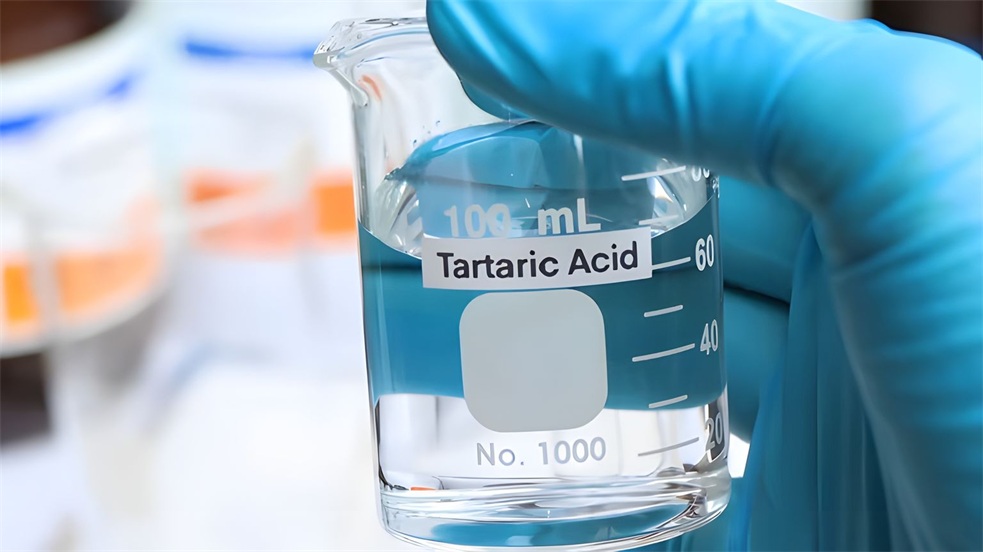

Liwei Tartaric Acid

DL-tartaric acid is a food acid commonly used in the food industry as an acidulant, acidifier, and stabilizer. It is also used in pharmaceuticals, cosmetics, and other industrial applications. DL-tartaric acid is generally safe and does not pose a significant threat to human health or the environment; it is not classified as a hazardous substance.

Although DL-tartaric acid is generally not considered hazardous, some basic safety precautions should still be taken during handling and storage to ensure safety and prevent accidents. DL-tartaric acid should be stored in appropriate containers or packaging to prevent leakage or contamination. The containers should be properly labeled and identified to ensure that the contents are easily recognizable. Follow the usage and storage recommendations for DL-tartaric acid, which are usually provided in the product's technical data sheet or safety data sheet.

DL-tartaric acid should not be mixed with other substances, especially incompatible chemicals, to avoid potential reactions or hazards

Liwei Tartaric Acid

Reducing the potential risks associated with handling DL-tartaric acid is crucial to ensure your safety and prevent potential accidents. Here are some suggestions for minimizing the risks of handling DL-tartaric acid:Understand the chemical: 

Thoroughly understand the properties, hazards, and appropriate handling procedures of DL-tartaric acid. Consult the product's Safety Data Sheet (SDS) for detailed information.

Wear personal protective equipment: Ensure you wear appropriate personal protective equipment, including safety goggles, chemical-resistant gloves, a lab coat or protective clothing, and respiratory protection equipment if needed.

Liwei Tartaric Acid