
Developed in the early 20th century, sodium stibogluconate grew out of urgent attempts to treat leishmaniasis, a disease that affected both soldiers and civilians in tropical regions. Early treatments for this devastating infection involved injectable forms of antimony, but those versions caused severe side effects and inconsistent responses. Researchers refined formulas over decades, increasing stability and reducing toxicity. During the mid-1900s, factories scaled up production using more reliable chemical processes. Doctors globally leaned on sodium stibogluconate as a front-line option against visceral and cutaneous leishmaniasis, especially in settings lacking advanced medical infrastructure. Despite new drug developments, sodium stibogluconate remains a trusted resource, mainly in South Asia and Africa.
Sodium stibogluconate appears as a colorless or faintly yellow solution, typically packed in glass ampoules or vials for injection. Its chemical backbone—based on pentavalent antimony—gives it a unique place among antiparasitic therapies. Each milliliter of solution delivers standardized amounts of antimony, calibrated to maximize impact on Leishmania parasites while managing risks for the patient. Pharmacies and hospitals carry it as a ready-to-use medication, and the World Health Organization lists it for essential care in regions hit by leishmaniasis epidemics. The utility of sodium stibogluconate stems from a long record of use, straightforward transport, robust shelf life, and comparatively low cost per dose.
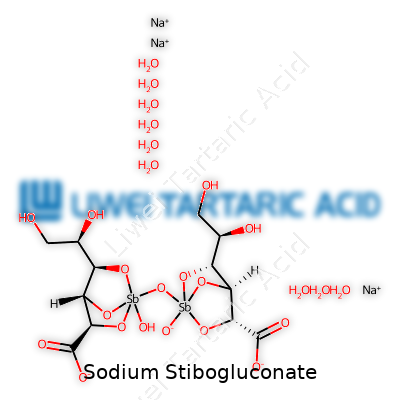
Looking at its properties, sodium stibogluconate dissolves easily in water, an essential feature for injectable use. The compound stays stable for months if shielded from excessive heat or light. With a neutral to slightly acidic pH, the drug avoids the stinging sensation of more caustic alternatives and fits into established intravenous protocols. Its molecular structure contains antimony complexed with gluconic acid, giving specific reactivity in biological environments. The elemental antimony portion—usually listed as Sb(V)—is the component that targets protozoan parasites. The solution flows easily through clinical delivery systems, giving consistent results dose to dose.
Manufacturers prepare sodium stibogluconate solutions to exacting technical standards, listing the concentration of active antimony per vial on every label. Each package gives clear guidance on dosing according to patient weight and age. Storage directions—such as keeping out of direct sunlight and maintaining moderate temperature—appear alongside batch numbers and expiration dates. Labels warn about possible adverse reactions. Facilities receiving the medication can scan large-font information at a moment’s notice, reducing room for dosing errors. Pharmacists and doctors receive documentation on dilution, compatibility with IV fluids, and handling in emergency care. These technical specifications play a direct role in patient safety and treatment reliability.
Chemists start with stibnite ore or processed antimony compounds, converting them to pentavalent antimony through controlled oxidation. This purified ingredient gets mixed under sterile conditions with gluconic acid, often derived from glucose fermentation. The synthesis involves careful balance: improper temperatures or contamination can ruin an entire batch. After the compounds react, production lines filter the solution and fill ampoules using automated robots, all within HEPA-filtered rooms. Each lot goes through strict quality control, including antimony concentration analysis and microbial purity checks. Finished packages ship under monitored temperature to distributors, hospitals, and relief agencies.
In solution, sodium stibogluconate maintains a pentavalent state thanks to stable chelation with gluconate ions. Direct contact with strong acids or reductants can shift the antimony to lower valence, risking loss of efficacy and increased toxicity. Laboratories sometimes explore chemical tweaks to create related antimonials for research, swapping gluconate for other ligands. Some experimenters combine antimony with liposomal carriers to penetrate challenging tissues or escape certain types of resistance. These new chemical tricks have prompted interest from patent offices and pharmaceutical funders, though classic sodium stibogluconate remains the market leader in real-world deployment.
Sodium stibogluconate shows up under a range of names—commonly Pentostam, as well as Sb(V)-gluconate and antimony sodium gluconate. Some regional formularies use translations or abbreviations. No matter the branding, the core composition matches across batches due to international agreement on pharmacopoeial standards. This prevents confusion among health workers and patients navigating differing suppliers or languages. Consistency in naming also helps researchers track global demand and resistance patterns in the medical literature.
Hospital pharmacies and field clinics keep tight control when handling sodium stibogluconate. Nurses and doctors get special certification before starting infusions. The most common safety measures target acute toxicities—cardiac arrhythmias, pancreatitis, and allergic reactions. Emergency crash carts and electrolyte monitoring stand by during administration. Clinical staff check kidney and liver function both before and during therapy. For workers in production plants, ventilated fume hoods and sealed systems prevent inhalation or accidental skin contact with raw materials, which can act as cumulative poisons. Reporting on adverse events supports updates to protocols, helping limit risks while maintaining access in hard-hit communities.
Most sodium stibogluconate administered today fights leishmaniasis—especially visceral, cutaneous, and mucocutaneous forms. In some regions, the only alternative drugs cost many times more and require freezing or cold-chain logistics. Doctors in India and East Africa regularly turn to sodium stibogluconate for both children and adults, given its history of effectiveness in high-burden districts. Research trials in the 21st century have even tested its impact against other protozoan infections and some viral illnesses, though leishmaniasis remains the core application. Field studies show upticks in survival and reduced disease recurrence when protocols follow the established dosing and monitoring schedules.
Current research into sodium stibogluconate covers new delivery formulations, combination therapies to slow resistance, and dosing strategies adjusted for malnourished or immunosuppressed patients. Scientists work on biomarkers to predict which patients will respond best, hoping to speed up treatment decisions. Academic-public partnerships and humanitarian agencies sponsor trials in real-world clinics, tracking outcomes with digital record keeping. Some teams chase derivatives that boost parasite killing while reducing the antimony burden, using insights from organic chemistry and structural biology. The medicine keeps drawing attention for its role in controlling neglected tropical diseases, especially in light of spreading vectors and shifting epidemiology tied to climate and urban expansion.
Concerns about toxicity have followed sodium stibogluconate from its earliest days. High doses stress the heart and pancreas, sometimes leading to fatal complications without close monitoring. Researchers publish case studies and meta-analyses, flagging risk factors like pre-existing cardiac disease or extreme old age. Some centers use ECGs and blood tests daily during long courses, adjusting doses for early signs of trouble. The search continues for ways to predict who will face severe adverse events, inspired by both clinical observation and population genetics. Investment in safer analogs and more selective drug targeting aims to narrow the gap between what works in vitro and what serves patients without dangerous side effects.
Global health faces two intersecting pressures—rising demand for leishmaniasis treatment and growing awareness of antimicrobial resistance. Sodium stibogluconate stands at the crossroads, with its established position and pressures for improvement. Some see fresh promise in nano-formulations and injectable gels to make administration easier in isolated settings. Others argue for public investments in whole new drug classes, learning from decades of experience with antimonials. Growing networks of field clinics, digital medicine, and international drug-donation programs shape how sodium stibogluconate fits into tomorrow’s care. Progress will depend on sharing local insight and not losing hard-won knowledge from past generations—an approach that combines respect for tradition with readiness for change.
Ask someone about medicines used to treat tropical diseases, and you won’t often hear about sodium stibogluconate. Yet this medication has changed the fate of entire communities struggling with a parasitic disease called leishmaniasis. The bite from a sandfly may seem harmless, but for those exposed in areas like India, Sudan, and Brazil, a single bite can lead to weeks of skin ulcers or worse—internal organ failure without prompt treatment.
Doctors use sodium stibogluconate because it contains antimony, an element with toxic potential on its own. Developed almost a century ago, it still serves as a backbone therapy for leishmaniasis. The medicine works by targeting and damaging the parasite’s metabolism, stopping its ability to multiply inside the body. Without this line of defense, entire villages in parts of the world would face a surge in deaths, especially among children. I’ve worked with doctors from regions where stores didn’t stock this medication. They watched helplessly as families suffered. Later, when shipments finally arrived, the mood in those clinics turned. Relief washed over everyone because an unpleasant side effect profile still doesn’t compare with no treatment at all.
Most people in the United States and Europe never hear about sodium stibogluconate. It rarely makes the news or hospital orders since leishmaniasis isn’t a household concern there. In countries with high cases, supply issues often block treatment. Drug shortages have roots in economics—pharmaceutical firms don’t see profit in medicines with a low-income market. WHO and organizations like Doctors Without Borders often step in, but huge gaps remain. In areas hit hardest by war or poverty, access drops off, leaving vulnerable children and adults at risk for infections that spiral into chronic health problems or death. One solution: public health partnerships that encourage stable generic production and government involvement for at-risk regions.
Sodium stibogluconate isn’t a flashy drug. Multinational firms don’t push fancy advertising, nor do celebrities post tear-jerking stories about it. The only people who really know its value are healthcare providers in remote, heat-soaked clinics and the patients whose lives move from fearful waiting to active recovery. There’s a raw, honest quality about treatments like this. They’re not about profit; they’re about restoring the day-to-day lives of those who get unlucky in the wrong geography. I once saw a tiny rural hospital in East Africa transform after they received enough sodium stibogluconate—hope entered the building again, gossip shifted from funerals to new births.
Drug resistance threatens sodium stibogluconate’s long-term use. Scientists push for better diagnostics, new medicines, and vaccine research, but for now, this stalwart keeps many communities afloat. Recognizing the value of old, reliable treatments matters, especially when new solutions remain out of reach for those who carry the greatest burden. As health workers and governments battle tropical diseases, affordable access to essential drugs like sodium stibogluconate should lead future plans—not slip through the cracks of global disinterest.
Sodium stibogluconate turns up most often in clinics treating leishmaniasis, a disease more common in regions where sandflies thrive. Leishmaniasis steals away at a person’s strength, so the drug matters—but it does not arrive without its own baggage. Like many treatments for rare diseases, it’s an old compound, dating back nearly a century. I’ve seen patients struggle with its side effects, and doctors balancing risks against the urgent need to cure a serious infection.
Patients feel tired. This isn’t just a lazy afternoon; it’s the kind of fatigue that slows every move. Nausea hits hard. Vomiting and stomach cramps often force patients off their regular routines for days at a time. A metallic taste lingers in the mouth and can chase away any appetite. These symptoms sound minor, but for someone already rundown from infection, they add up quickly.
Some people sweat through fever and chills, and the muscle pain can have them feeling like they just finished a punishing workout. Rashes sometimes break out on the skin, not always dramatic, but itchy enough to leave patients irritable and restless. Taken together, these symptoms often make the treatment period a slog.
The heart needs close watching. Sodium stibogluconate can stretch out the QT interval—a measure doctors track on an EKG. If this goes unnoticed, a patient opens up to the risk of dangerous heart rhythms. I have seen people kept in clinics longer for this very reason. Blood tests become routine: potassium, magnesium, and liver enzymes need checking. The medicine can hit the liver hard enough to cause jaundice or elevate transaminases far above normal.
A person might suddenly feel shortness of breath. In rare cases, pancreatitis develops. The drug can irritate the pancreas so much that patients double over from abdominal pain or lose their appetite entirely. These reactions force some patients to stop the medicine and switch to alternatives—though those alternatives can carry their own risks.
Taking sodium stibogluconate isn’t something to do at home. Health workers want their patients nearby or checking in often for blood tests and EKGs. In my years working with clinicians in rural clinics, I have seen how tough it gets when patients live far from hospitals. Some struggle to afford regular checkups, and this makes side effects harder to catch early.
Doctors encourage patients to drink plenty of water, eat small meals through the day, and call immediately if they start having chest pain or strong stomach pain. Nurses and doctors read out warning signs to every patient before starting. Keeping communications clear helps. Sometimes you have to weigh speaking over local radio or setting up group clinics to spread the word in remote regions where patient education can lag behind.
Older drugs like sodium stibogluconate stick around because cheaper alternatives haven’t worked as well or are even less safe. Pharmaceutical research tries to find better ways to treat leishmaniasis, but in low-income countries, these newer options arrive slowly. Government programs can help track side effects and report them, but underfunding and spotty supply chains get in the way.
Patient support groups and global health organizations press for safer medicines and clearer treatment protocols. The work isn’t done. As new therapies get tested, sharing stories between patients, doctors, and policymakers keeps everyone aware of what matters most—keeping people healthy without making them sicker in the process.
Dealing with leishmaniasis brings its own set of headaches. A friend of mine volunteered with a medical team in Sudan a few years back, and I heard plenty about how hard it was for people to get treatment. In the toolbox against this disease, sodium stibogluconate stays relevant. Old as it is, folks keep relying on it in places where newer meds never show up. Problems arise from access, cost, and tricky logistics, so getting the real story on its use matters.
Administration isn’t complicated, but it isn’t comfortable either. The main method: injection. Doctors inject it straight into a vein, known as intravenous administration, or into the muscle, which gets labeled intramuscular. It almost never comes in pill form. You end up visiting a clinic or hospital daily for weeks. Each session, the nurse mixes the powdered drug with sterile water, draws it up, and either sticks it right into a vein or deep into a muscle, usually the buttock or thigh.
Dosing depends on weight and the specific type of leishmaniasis. Some guidelines call for a daily dose over at least three to four weeks. People talk about the sting—these aren’t gentle injections. Nurses who work in clinics without much money count on both steady hands and experience to minimize discomfort.
Giving this drug isn’t like handing out bandages. There’s a narrow margin between enough and too much. Even small slip-ups lead to serious side effects: arrhythmias in the heart, muscle weakness, and toxic effects on the pancreas. The World Health Organization stresses that only trained staff should give injections. I’ve watched doctors overseas train local health workers by having them practice with sterile saline at first, making sure everyone gets the process down before the real drug ever comes out.
People talk about the medicine more than the disease. Sodium stibogluconate sometimes causes joint pain, nausea, or irritation at the injection site. More serious reactions can sneak up—a sudden irregular heartbeat or signs your liver isn’t happy. In places with limited gear, clinics rely on basic monitoring, often with just a stethoscope and a careful eye. Where electricity flickers, running reliable heart tests or blood work isn’t always possible.
Injection takes staff, clean needles, and working refrigeration. In remote parts of Africa and Asia, the reality involves missing supplies and overflowing waiting rooms. The medicine itself costs more than what local families can pay, and programs sometimes run out, forcing doctors to choose who gets treated. Stigma hangs over patients too—some folks hide their illness for fear of gossip, missing out on timely injections and ending up on longer courses with bigger risks.
Solutions start with more funding for neglected diseases. Training more local healthcare workers—in their own languages—keeps the skills alive and lets communities trust treatment. Cheaper, needle-free alternatives are in the pipeline for leishmaniasis, but they still have a long way to go before folks can leave the needles behind. Until then, sodium stibogluconate’s story stays grounded in tough conditions, brave workers, and the grit of those receiving treatment.
Sodium stibogluconate turns up as a treatment for certain parasitic infections, especially leishmaniasis. Though it has helped patients get through a grueling disease, it’s not a fit for everybody. Doctors and patients make tough calls about safety, sometimes weighing life-or-death trade-offs.
Heart rhythm problems sit front and center among the big worries with sodium stibogluconate. For people with a history of cardiac arrhythmias or who take other drugs that mess with heart rhythm—like some antidepressants or antibiotics—the risk balloons. There’s a solid record of this drug causing dangerous changes on the ECG, such as prolonged QT interval, which can provoke deadly arrhythmias.
People with significant liver or kidney disease face a different challenge. Both organs help process and clear sodium stibogluconate out of the body. If either organ isn’t working right, the drug lingers, and side effects build up faster. I’ve heard doctors in infectious disease clinics talk about tough cases where someone needs treatment for leishmaniasis but comes in with cirrhosis or kidney failure. In most of those stories, the risks of the drug push them to search for a different solution.
There isn’t much comfort for those expecting a baby. Sodium stibogluconate might cause harm to the fetus—the data is limited, but animal studies raise red flags. Women planning to start a family or currently pregnant should look hard for alternatives. After birth, the story continues: no one’s sure if this drug moves into breast milk, but the risk of exposure for infants remains unknown, and doctors usually tell mothers to avoid it or stop breastfeeding.
Mixing sodium stibogluconate with other medicines, especially ones that cause electrolyte imbalances or dampen the heart’s normal rhythm, multiplies the likelihood of complications. For example, pairing it with diuretics or digitalis can turn a risky combo into a disaster because of stacked cardiac effects. Even some HIV medications and antifungals can cause trouble by amplifying toxicity. Keeping a current medication list and running it past a healthcare professional lowers the odds of bad interactions.
Kids often react differently. Their bodies handle medications with less predictability, and toxicity can set in faster if not monitored closely. For elderly people, the pitfalls stack up: more chronic health issues, more prescriptions, and slowing kidneys make side effects harder to control. Dizziness, weakness, and arrhythmias from this drug can land older adults in the hospital, so every dose needs a watchful approach.
No one should navigate tricky medications alone. People with a history of heart disease, cholestasis, or kidney trouble ought to tell their stories early and honestly with their doctors. If a safer alternative like liposomal amphotericin B works, many infectious disease specialists lean that way. Pharmacists play a huge role too, catching interactions between sodium stibogluconate and other drugs in complex regimens.
In my time with infectious disease teams, the best outcomes come from matching the therapy to the person—not just the infection. Good records, frank conversations, and eyes open to warning signs keep people safer, whether battling leishmaniasis or anything else.
Folks trust their doctors to keep them safe, but a shot of sodium stibogluconate calls for more than just trust—it needs informed care and real caution. People with leishmaniasis rely on this drug. Still, after years watching new medicines come and go in the clinical trenches, I’ve seen the difference it makes when staff and patients know the risks and what to watch out for. Safety isn’t a rule from a textbook. It becomes personal when you see side effects up close.
The biggest red flag comes for people with heart issues. Sodium stibogluconate raises the risk of abnormal heart rhythms. Anyone with a history of arrhythmia, congestive heart failure, or who takes drugs that stretch the QT interval has to be screened with an EKG before starting. Skipping this step puts lives at risk. Nurses and doctors need to communicate early symptoms of dizzy spells or palpitations so the drug’s not making things worse.
Patients with kidney or liver problems shouldn’t feel left out of the conversation, either. Their bodies might not clear the drug fast enough. It builds up, and that’s when serious toxicity shows up. Some experts recommend dosing adjustments and plenty of lab checks, not just a “wait and see” approach. Those simple blood draws for ALT, AST, creatinine, and urea levels help keep real harm at bay.
Vomiting, muscle aches, and skin rashes aren’t just minor annoyances. Too many people tough it out, thinking it’s part of fighting off infection. But with sodium stibogluconate, the line between “nuisance” and “danger” runs thin. A rash could turn serious, and muscle pain might mean the body’s not tolerating the drug. Picking up the phone early can mean swapping out therapies before trouble starts.
Sodium stibogluconate can bring mood swings, confusion, or a sense of losing one’s grip on reality. Families are often the first to spot these shifts, not the patient. Healthcare teams must talk honestly about this part of treatment. Nobody should feel embarrassed about emotional changes with a tough course of medicine. Early recognition lets everyone solve problems with dignity and respect—the same way we handle physical side effects.
Anyone who piles up other prescriptions, especially antiretrovirals or heart drugs, faces an even higher risk of interaction. It’s not enough to mention this at first consult and move on. Bringing an updated medication list every visit isn’t just red tape; it’s insurance against mistakes with consequences.
No magic bullet exists, but common sense habits protect patients. Doctors and nurses need tight checklists, up-to-date baseline labs, routine ECGs, and honest conversations about side effects and mental health. Patients shouldn’t wait for appointments to speak up; hotlines or electronic check-ins help catch problems early. Pharmacists catch drug interactions others miss. Giving people plain-language instructions beats jargon every time.
The sharpest medical teams I’ve worked with share one habit: they never take a safety shortcut, no matter how routine a treatment becomes. That matters most with medications like sodium stibogluconate. Lives depend on it every single day.

Providing high-quality chemical products and logistics solutions for global trade partners.



