
Sodium ferric gluconate tells a story that stretches back to early experiments in iron therapy from the last century. Doctors searched for safer solutions to treat anemia as old iron salts often brought stomach pain or caused stubborn allergic reactions. European chemists first played with gluconate salts in the 1930s, drawn by their ability to balance iron’s harsh reactivity with a sugar backbone. Eventually, treatments began moving from painful, unreliable intramuscular shots to gentler intravenous infusions. This shift ramped up in the 1990s, as more researchers pushed for options that brought quick results with fewer risks—and better comfort for patients needing repeat doses, especially those with chronic kidney failure. By the end of the 20th century, technical improvements made it possible to produce sodium ferric gluconate in stable, consistent batches. Now, it stands among the established workhorses for hospital iron therapy, especially for folks hooked up to dialysis machines, avoiding many pitfalls of old-style iron treatments.
You’ll most often spot sodium ferric gluconate as a dark brown, faintly sweet-smelling solution packed in glass vials. Pharmaceutical companies market it mostly as an injectable, sometimes under brand names like Ferrlecit. Every vial holds a precise dose because hospital use doesn’t leave much room for guessing. Unlike iron supplements swallowed in pill form, which often linger in the gut or cause stomach distress, injectable forms like this head straight for the bloodstream. For years I watched dialysis patients sigh with relief as these infusions helped edge their blood counts back toward normal—no metallic taste, no sharp abdominal pain, and almost always mild reactions when handled by careful staff.
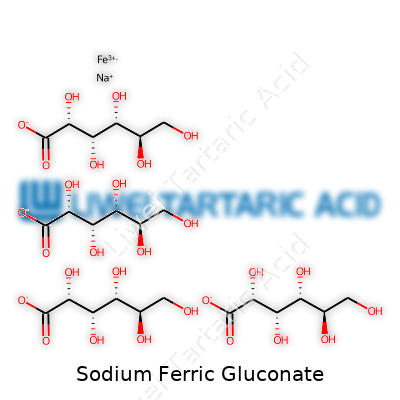
In labs, sodium ferric gluconate appears as a dark brown-black, somewhat sticky paste when isolated, or as a watery, amber solution in pharmaceutical settings. Its real identity rides on a complex network of ferric ions loosely wrapped by gluconate molecules, forming a larger structure than typical simple salts. This construction stops the iron from falling out of solution, so it won’t clog veins or form dangerous crystals after injection. The complex dissolves easily in water, allowing hospital staff to adjust doses fast with careful dilution—useful for tailoring treatment to each patient’s body weight or iron needs. The solution’s pH usually lands near neutral, lessening the risk of burning veins or causing irritation at the injection site. At room temperature, sodium ferric gluconate keeps stable for months, meaning clinics can stock it without worrying about rapid spoilage.
Pharmaceutical labels list sodium ferric gluconate as containing about 12.5 mg of elemental iron per 5 mL ampoule. EU and U.S. agencies both demand strict labeling on every lot number, expiry date, and proper storage conditions, usually at 15–30°C. Boxes display a full rundown of inactive ingredients, directions for use by trained personnel, and bold warnings highlighting risks of allergic reactions or misuse. Regulatory standards, including those set by the FDA or European Medicines Agency, set clear limits on impurities, bacterial contamination, and particulate matter. I’ve seen how strict label requirements force companies to triple-check every batch—failures get caught early, so bedside safety doesn’t fall through the cracks.
Making sodium ferric gluconate demands steady hands and patience with temperature control. Commercial synthesis begins with dissolving ferric chloride in deionized water, followed by a slow addition of sodium gluconate. Controlled reaction conditions—typically warm water baths and constant stirring—allow the iron and gluconate to find each other and form the distinctive complex. Purification steps follow, including repeated filtrations and adjustments to the final pH, to strip out unbound iron, unreacted gluconate, and by-products that might trip up sensitive patients. One advantage of this process, compared to making plain iron salts, is its room for fine-tuning molecular weight and charge, which helps meet hospital quality standards. Final batches undergo aseptic filling, often in sterile vials that head straight for distribution.
The main challenge with iron therapy lies in getting the right dose into the bloodstream without triggering toxic side effects. Sodium ferric gluconate sidesteps this by embracing the gluconate ligand—a sugar derivative that grabs firmly onto ferric ions, sheltering them until released slowly inside the human body. This lower risk of free iron release helps avoid oxidative stress and tissue injury. Researchers sometimes doctor the core molecule, swapping in similar sugars or altering the chain length to test if newer complexes cut down on side reactions or improve stability. Facing the growing demand for more tolerable formulas, pharma chemists look at modifications that could further lower allergic triggers, or attach additional stabilizers for storage without refrigeration.
On paper, you’ll see sodium ferric gluconate floating under aliases like sodium ferric gluconate complex, iron(III)-D-gluconate sodium complex, or simply SFGC. Pharmacies carry branded forms such as Ferrlecit, especially in the U.S., and other names abroad. Each label follows agreed international standards, but the different names reflect years of development by separate research teams and a range of tweaks in how batches are constructed or stabilized. Despite these variations, the iron backbone and its gluconate wrapping remain the heart of the therapy across all versions.
Hospital teams rely on sodium ferric gluconate’s relatively kind safety record, but only after careful allergy screening and following facility guidelines. Infusion is performed slowly, often under the steady eye of a trained nurse or doctor. Reports tracking years of use find a low rate of severe reactions—less than 1%. Still, warnings instruct clinics to keep emergency treatments, like epinephrine, close by, to counter rare but life-threatening allergic events. Proper storage, temperature control, and strict adherence to expiration dates play a daily role in keeping both the drug and the patient out of harm’s way. Rigorous audits check suppliers, inspect shipping conditions, and back up on recordkeeping to make sure no step gets skipped.
Much of sodium ferric gluconate’s fame comes from nephrology clinics, treating chronic kidney patients who have trouble absorbing iron by mouth. Most sessions happen during or right before dialysis, since blood losses and decreased red blood cell production tie closely to kidney problems. Pediatricians turn to this complex for children with anemia who don’t tolerate other preparations, as do some cancer clinics treating anemic patients recovering from chemotherapy. Beyond the hospital, research teams explore uses for folks with chronic inflammatory diseases or heart conditions linked to persistent iron deficiency, aiming for faster improvement with less reliance on oral supplements.
Labs crank out studies tracking how sodium ferric gluconate moves once injected, how quickly it replenishes iron stores versus old oral pills, and which patient groups bounce back fastest. Pharma firms experiment with longer-acting versions and look for ways to cut manufacturing costs without compromising safety. Academic researchers analyze blood and tissue samples after infusions, measuring markers for oxidative stress and checking for subtle signs of toxicity. Newer projects compare outcomes against other iron complexes, such as iron sucrose or ferric carboxymaltose, hunting for better patient comfort or quicker recovery times. It's clear that research remains lively, with more head-to-head trials and post-market evaluations cropping up in academic journals every year.
Toxicologists note the relative safety of sodium ferric gluconate but underline the need for ongoing vigilance. Accidental overdoses might spill enough free iron into the body’s tissues to spark oxidative injury, so dosing limits keep health workers on their toes. Animal trials monitor for early signs of organ damage, focusing on the liver, heart, and kidneys, as free iron in these tissues raises flags for longer-term problems. Real-world use has delivered a more reassuring picture, especially compared to old injections of iron dextran that drew more cases of severe allergic shock. Ongoing studies collect adverse event reports and dig into mechanisms behind rare side effects, seeking early warning signals that might one day pop up with expanded use.
Looking ahead, sodium ferric gluconate stands to grow as iron supplementation remains a massive global priority. The ongoing expansion of hemodialysis clinics and better recognition of iron-deficient syndromes outside of nephrology mean more patients will turn up needing intravenous options. Modern manufacturing aims to push costs lower, widen access in developing regions, and create more portable, stable formulations with less reliance on hospital-grade refrigeration. There's talk of tailoring new hybrids for personalized dosing or developing self-administered injectables. Companies keep investing in research to find coatings or stabilizers that cut down on adverse reactions, determined to make iron restoration safer, easier, and more flexible. The field draws energy from the patient side, the regulatory side, and the scientists—painting a rich road ahead for sodium ferric gluconate.
Step into almost any dialysis clinic, and you’ll see nurses reaching for small vials labeled sodium ferric gluconate. It shows up often for good reason. Many people with chronic kidney disease lose the ability to make healthy red blood cells. Without enough iron, the body slips into anemia. Feeling tired, constantly breathless, and even struggling to concentrate—these are real struggles for patients. Oral iron might sound like an easy fix, but poor absorption and stomach issues keep getting in the way. Sodium ferric gluconate, delivered through an IV, sidesteps many of those digestive hurdles.
Most folks never think about where their energy comes from. For those with failing kidneys, this drug helps boost the body’s ability to carry oxygen. Ferrlecit, the common brand name, gives a steady iron supply that doctors can fine-tune to meet each patient’s needs. IV iron helps patients keep making healthy red blood cells, so they can take part in daily life instead of staying stuck in bed. This makes a difference that goes beyond lab numbers.
Iron pills might end up in the medicine cabinet unused, especially for people who develop cramps, constipation, or nausea from them. Dialysis clinics use sodium ferric gluconate as part of typical care—this isn’t about treating something rare or exotic. The FDA approved it after studies in real patients with chronic kidney disease who needed an iron boost beyond what diet or oral pills could provide.
Not every iron infusion is the same. Older IV irons sometimes caused rapid allergic reactions. This is an area where sodium ferric gluconate has helped raise the safety bar. Side effects still exist—rashes, drops in blood pressure, or cramps—but they show up less often than with earlier iron products. Nurses still keep an eye out, though, ready with emergency supplies just in case. The key is matching the right patient to the right medicine and paying attention during every treatment.
My own relatives have sat in those chairs, waiting for lab results to show their red blood cell count is heading in the right direction. It isn’t just about numbers. It’s watching someone you care about start to walk further, or talk with more energy, because anemia is finally under control.
More hospitals now give patients a say in which iron product they prefer, making sure instructions and information actually make sense. Overdosing on iron can damage organs, so regular iron checks matter. Insurance may pose hurdles, especially when switching brands, but most clinics learn to navigate the system to help patients get the right support.
As new research comes out, the tools keep improving. Sodium ferric gluconate remains a trusted option for folks who can’t absorb oral iron or need a quick turnaround. Hospitals and doctors must stay tuned in to both the science and the real world of their patients—where having enough energy to pick up a grandchild or finish a work shift matters most.
Sodium ferric gluconate sounds like just another medical term, but for people with chronic kidney problems, it can mean the difference between energy and exhaustion. Doctors often use this medicine to help folks on dialysis who can’t make enough red blood cells because their kidneys are on strike. Your doctor probably talked up its benefits, but side effects never seem to get enough air time in those appointments.
Real talk — any infusion carries a risk, and sodium ferric gluconate proves the point. I remember sitting with my uncle on his first dose, and he complained about feeling dizzy almost right away. That’s not rare. Many people react with nausea, low blood pressure, or cramps in the belly. The nurses kept a close eye, since a sudden drop in blood pressure can make someone faint. Kids seem to run into this problem even more often. You won’t always see trouble coming, so medical teams usually start slow and watch for any changes.
Skin can blow up with red, itchy rashes in the minutes or hours after a dose. I’ve seen people scratch until they felt raw, and hives can pop up too. The tricky part is that some allergic reactions move beyond the skin. Shortness of breath, tightness in the chest, and swelling around the face aren’t just annoying — they can land someone in the emergency room. Hospitals always keep emergency allergy medicines on hand, just in case someone tips over into a full-blown allergic reaction.
Sodium ferric gluconate brings up another worry — iron piling up in the body. You’d think more iron solves anemia, but too much causes harm. Organs like the liver and heart end up taking the hit. Blood tests catch this creep over time, but some folks don’t realize they’re on the edge until joint pain or dark color shows up in the skin. Finding balance with iron supplements and regular monitoring matter a lot more than most people think.
I’ve seen lab results bounce around in the weeks after someone starts this drug. Calcium, phosphate, and potassium can shift out of the normal range, and these changes affect everything from your heartbeat to your bones. For people already at risk because of kidney disease, swings in electrolytes can knock out what stability they have left. Diet changes, extra labs, or bends in medication plans often follow.
No one should feel like they’re stuck with side effects just because they need treatment. Open conversations with doctors make a huge difference. Patients and families have the right to ask about warning signs before the first dose. Keeping an eye on blood counts and liver tests after each session helps catch problems before they get out of hand. Hospitals have pushed for safer protocols: pre-medication for folks with allergy scares in their past, and slower infusions for those at risk. Simple tracking tools — like a notepad for symptoms — help catch patterns that otherwise slip by between clinic visits.
If you stepped into a clinic for sodium ferric gluconate, speak up about any weird feelings or new symptoms. Stay in touch with your care team about how you feel after treatments. Try not to brush off symptoms as “just normal” for people on dialysis. The more information you give, the better chance doctors have to tailor care and keep you away from hospital beds for the wrong reasons. Sometimes, working with pharmacists or dietitians helps find safer ways to balance iron without extra risks.
Sodium ferric gluconate runs as a mainstay for people fighting iron deficiency, often tied to chronic kidney issues. For folks used to popping pills, the word “intravenous” may sound intimidating, but that describes the entire process: hospital trays, IV drips, nurses monitoring for side effects. They inject it straight into a vein, usually through a diluted infusion. The person sits in a chair, tube taped to the arm, bag hanging nearby, the drip delivering iron directly to the bloodstream. In facilities treating kidney disease, it ends up as part of the regular dialysis care, folded right into a routine session to save time and risk.
Years of working with patients tell me, many can't tolerate oral iron. Upset stomach, cramps, and the classic complaint: “everything tastes like metal.” Beyond the discomfort, absorption from pills drops sharply if you have chronic inflammation, gut issues, or kidney trouble. Large studies (like those published in the American Journal of Kidney Diseases) show most dialysis patients do better when iron gets straight into their system, where it skips all the stomach problems. Only IV brings those levels up fast when the body needs help making new red blood cells.
Doctors calculate the dose based on how low the iron has slipped. Sodium ferric gluconate often gets mixed in saline, then administered over 30-60 minutes. Rushing never helps—going slow cuts allergic reactions and gives staff time to watch for any early signs of hives or breathing trouble. In some cases, slow “push” injections replace infusions, but this carries a greater chance of uncomfortable side effects. For chronic management, patients might receive it every dialysis session or once a week, depending on lab results.
Most people handle this medication well, although some get mild skin flushing, tightness in the chest, or muscle aches. Severe reactions land about one in every several thousand patients, but, as a rule, clinics keep emergency gear nearby. Allergic symptoms usually pop up within the first five to ten minutes. That’s another reason the slow drip stays the gold standard in these settings.
Iron overload—a risk after months or years of treatment—brings its own problems, from joint pain to permanent organ damage. Doctor visits and blood tests, like ferritin and transferrin saturation, offer real feedback and help avoid that pitfall.
Plenty of people know this medication as part of their dialysis routine, but not everyone gets equal access. Out in rural areas, or for uninsured folks, it’s a challenge even getting to clinics that manage these infusions well. Shortages dog the supply chain, and national reports show cost barriers push many to skip infusions they actually need. For anyone advocating for patients, these hurdles call for more than a clinical solution—they demand fairness, insurance reform, and extension of specialty care into less-served regions.
Care teams, if well trained and backed by good policy, keep these people safer and let them hold onto their energy and quality of life. Sodium ferric gluconate’s story reveals a bigger picture: solving iron loss runs right through hospitals, policy halls, and the patient’s own kitchen table.
Sodium ferric gluconate shows up a lot in hospitals and clinics for treating iron deficiency, especially in people with kidney disease. This doesn’t mean it works for everyone, or that it’s risk-free. Giving iron by vein sounds simple, but the body story gets complicated fast. Over the years volunteering in dialysis units, I’ve watched patients bounce back on iron therapy. I’ve also watched some get sicker because a medical detail got missed. Not every iron-deficient patient needs—or should get—this medicine.
One clear red flag: anyone allergic to sodium ferric gluconate or the stuff that goes into it needs to steer clear. These reactions don’t play around. The FDA flags cases of hives, trouble breathing, chest pain, and even deaths from anaphylaxis. Sometimes, allergy risk gets ignored on busy days or lost in electronic charts, but healthcare teams have to triple-check every time. People with asthma or previous bad drug reactions have shown higher sensitivity, so their risk jumps even higher.
Not everyone short on energy is truly low on iron. If someone already has high iron stores, giving more creates problems no doctor wants to see. Too much iron damages hearts, livers, and hormone systems. Trouble with iron overload slips under the radar unless the team regularly checks ferritin and transferrin saturation. Ignoring those lab numbers just because a person has anemia courts disaster. Hemochromatosis—the body’s own faulty iron storage program—makes any iron supplement an especially bad idea. Someone diagnosed with hemochromatosis or unexplained high iron should be nowhere near this drug.
Every parent wants quick fixes when a child’s health falters. Still, sodium ferric gluconate’s safety remains unproven for patients under 6. The risks float higher for the youngest, so doctors stick with more studied options. Women expecting a baby already walk a nutritional tightrope. Pregnancy changes how iron moves around the body, and safety studies on this medication fall short. The benefits rarely outweigh the unknowns unless a specialist signs off.
Ongoing infections bring another layer of risk. Bacteria thrive on iron, so feeding the germs with more can backfire. In my early years shadowing infectious disease doctors, they stressed that giving iron by vein during an active infection can turn a manageable bug into a life-threatening one. If someone’s temperature is up and infection is on the table, pressing the pause button makes medical sense.
In practice, preventing harm starts with hard-won habits. Patients and families should know the symptoms of allergic reactions and insist on being watched during infusions. Clinics need to run regular bloodwork, not just once, but throughout treatment. Those with a family history of iron overload or unexplained liver troubles ought to get a genetics check before any iron therapy. Infectious symptoms deserve quick lab testing before moving ahead with any iron transfusion. Pregnant women should speak up about their concerns and ask their provider about safer alternatives.
At the end of the day, giving sodium ferric gluconate means weighing risks, tracking details, and listening. The medicine can restore health for those in the right category, but it carries hazards for others. Keeping every patient safe means not rushing and respecting the stories their own bodies tell.
Sodium ferric gluconate stands out as a key iron supplement for people dealing with low iron due to chronic kidney disease. In the world of medicine, this injection offers a lifeline for those who struggle to absorb iron the usual way. Despite its benefits, the conversation over potential drug interactions tends to fly under the radar. Doctors, pharmacists, and patients can’t afford to ignore the issue, especially with polypharmacy becoming the new normal for chronic disease care.
A gut check tells me that sodium ferric gluconate probably won’t shake up everyone’s prescription routine. It doesn’t get metabolized in the liver, and kidneys filter out the majority. Still, that doesn’t mean it plays nice in every situation. People with kidney issues often juggle meds for blood pressure, diabetes, electrolytes, and sometimes anticoagulants.
Take antihypertensive medicines. Blood pressure can drop further with intravenous iron, especially in dialysis. Some numbers show around 1% risk for low blood pressure, which gets complicated if people already use ACE inhibitors or beta blockers.
Antibiotics such as tetracyclines and fluoroquinolones run into problems with oral iron. Thankfully, since sodium ferric gluconate enters the bloodstream directly, the risk reduces. Still, physicians keep an eye out, especially with high doses of iron. Patients using iron alongside vitamin or mineral supplements may also need a double take. Calcium, magnesium, and zinc don’t clash much with IV iron, but folic acid and vitamin B12, which help foster red blood cells, play an indirect role. These nutrients can mask or magnify iron’s effects, making bloodwork the only way to keep tabs.
Another wrinkle comes from drugs that increase the risk of anaphylaxis, such as certain antibiotics or monoclonal antibodies given in the hospital. Intravenous iron, as a class, links to rare but real allergic reactions. Any medicine that primes the immune system might up the risk or confuse the diagnosis in case of a reaction.
Years spent seeing dialysis patients gave me insight into just how many moving parts each case involves. A common approach involves reviewing every medication a patient uses before starting sodium ferric gluconate. It’s not just about hunting down dangerous interactions; it’s about catching the subtle shifts in lab values, blood pressure, hydration status, and even allergic histories. Teamwork between doctors, pharmacists, and nurses goes a long way.
Serious complications rarely materialize out of nowhere. Red flags like sudden fatigue, rash, or trouble breathing should send patients straight to the clinic. I recall one patient who developed flushing and hives—the fast response from staff kept it from becoming worse.
Medication reviews need to run before each infusion. Electronic health records can flag risky combinations or highlight recent reactions. Direct questions to patients about new symptoms help too. Teaching people to spot warning signs builds a safety net around every injection.
Ongoing research matters. Clinicians, especially those in nephrology, need to keep an eye on studies tracking new medicines. Clinical pharmacists often keep pulse on updates from FDA safety communications and recent publications.
Solid facts and teamwork matter most. Staying informed and alert reduces the odds of running into trouble—and keeps patients safer in the process.

Providing high-quality chemical products and logistics solutions for global trade partners.



