
Decades ago, the chemistry world saw a push for safer alternatives to harsh solvents. Some pioneers at Dow and Union Carbide, exploring propylene oxide routes, honed in on what would later be called Propylene Glycol Monomethyl Ether (PGME or PM). Once chemists learned to react propylene oxide with methanol, they landed on a cleaner, less volatile compound. This move didn’t stay inside the lab. Paintmakers, cleaners, and ink producers started switching over, especially as regulatory eyes sharpened their focus on things like worker safety and air pollution. Regulatory shifts continue to play a big role in pushing research and refining production standards today.
PGME now stands as a solvent that people rarely see, but almost everyone relies on. Chemically, it splits the difference between water and oil. That makes it a workhorse in coatings, inks, cleaning fluids, and a surprising number of electronics processes. You wouldn’t pick it out from a list of ingredients in most consumer goods, but it makes a huge difference in how evenly paint goes on walls or how a cleaner lifts grime from a surface. In the chemical trade, you'll also spot it under the names 1-methoxy-2-propanol, Propylene Glycol Methyl Ether, or just PM.
PGME shows up as a colorless, low-viscosity liquid throwing off a faint, almost pleasant ether-like odor. It doesn’t boil off as fast as acetone or methanol: the boiling point floats around 120-125 °C. Its flash point sits high enough for safer storage and transport, yet not so high that it's hard to evaporate in coatings or printing. Its miscibility with water, alcohols, and many oils gives it a real edge. Hands-on users see how PGME manages to dissolve alkyd resins and vinyls with ease or how it gently raises ink off plastic sheets, instead of eating them up as harsher solvents might.
Pick up a technical sheet for PGME and you're likely to spot purity ranging from 99.5% up, with water content controlled tightly below 0.1%. Acidity and color index often clock in on spec sheets—if they drift, paint batches can yellow or cleaning solutions leave behind film. Lab practices dictate tight labeling: hazard diamonds, CAS number 107-98-2, and detailed storage guidelines fill every drum and tote. Globally, GHS pictograms and up-to-date SDS documentation create a shared language for safe shipping and handling, from Alabama to Antwerp.
The core prep involves reacting propylene oxide with methanol, typically driven by acid or base catalysis under controlled temperatures. Factories run large continuous reactors, recirculating and stripping vapor to boost yields. On the plant floor, workers monitor pH, distillation cut points, and track waste streams. In regions with strict air quality standards, emission controls and closed-loop systems stand between workers, the environment, and raw solvent losses.
PGME doesn't sit still long in a chemistry lab. You can run it through esters, ethers, and propoxylation reactions to tweak solubility and evaporation rates. Coatings makers sometimes react it further to add bulk, drag, or change open time and gloss. It will resist many acids, but strong oxidizers change the game, opening up breakdown into aldehydes and acids over time. Downstream, some industries derivatize it for use in advanced adhesives and specialty hydraulic fluids. With the right catalyst, you can shift the balance toward alpha or beta isomers—useful in fine-tuning drying or cleaning behavior on specific surfaces.
The chemical companies and supply houses have created a scattershot of names for this one molecule. You'll see PGME, 1-methoxy-2-propanol, Propylene Glycol Methyl Ether, Dowanol PM, Arcosolv PM, and more on various datasheets and drums. Sometimes the names appear with a ‘-A’ or ‘-E’ suffix, depending on isomer purity. Commercial confusion results in headaches for purchasing and regulatory teams—tracking synonyms back to a CAS number often saves a costly misorder or inventory headache.
Walking through a facility handling PGME, you notice the PPE first. Goggles, gloves, respirators, and robust air handlers protect against the vapor and splashes. The chemical’s toxicity is modest compared to others in its class, but repeated exposure tells a different story. Chronic inhalation can trigger headaches, nausea, or mild neurotoxic effects. Safe storage depends on tight seals, temperature control, and regular leak inspection—both for worker safety and environmental protection. In my experience, a good culture of safety relies more on daily routines and open communication than on just compliance paperwork. Plant leaders who foster awareness avoid most spills and exposure incidents in the first place.
Today, PGME’s reach stretches across the spectrum of modern manufacturing and cleaning. It’s everywhere in water-based paints, helping pigment stay even and dry without cracking. Electronics makers put it to work as a photoresist solvent during circuit manufacturing. The printing business values how it stops ink from clogging nozzles in high-speed presses. Even auto repair shops use it to remove unwanted residue without damaging plastics or painted metal. When environmental rules tightened in the 1990s and 2000s, a lot of other solvents dropped off the list; PGME stuck around thanks to a milder health and environmental profile, as seen in regulatory reviews from agencies like ECHA and the EPA. Many companies have switched from aromatics and chlorinated solvents to PGME-based blend, noting fewer regulatory fines and healthier workplaces.
In the last decade, university and industry researchers have ramped up work on making PGME with lower carbon footprints. That means finding greener propylene oxide sources or recycling methanol inputs more efficiently. Other teams look for new uses, like developing biodegradable PGME derivatives for specialty cleaning or prepping electronics substrates. Analytical chemists continue to investigate purity thresholds and trace contaminant impacts—these tweaks matter in fields like pharmaceutical manufacturing and high-voltage microelectronics, where even tiny impurities can spell disaster. Every tweak or new downstream use calls for new toxicology and environmental studies, so collaboration with regulatory labs and field testing teams becomes just as important as bench chemistry.
PGME typically ranks low for acute oral or inhalation toxicity—LD50 rates often top 4000 mg/kg for rats in published studies. Dermal exposure, while not the riskiest hazard in the chemical plant, can lead to irritation for sensitive workers. Long-term studies on rodents hint at mild neurobehavioral effects from chronic vapor exposure, which nudged regulatory agencies into enacting PPE and ventilation mandates. PGME’s breakdown products have earned careful scrutiny too: regulators keep close tabs on methyl ethers’ potential to form hazardous air pollutants or groundwater contaminants. Data from the EU and US show emissions controls help keep worker blood and urine samples far below thresholds linked to health problems, with biomonitoring programs running regularly in big production hubs.
As stricter air quality and worker safety laws loom, industries look for ways to cut PGME emissions even lower, and to recycle or recover the solvent after use. Research into bio-based production and advanced capture systems starts to show results in pilot projects. On the application front, demand stays strong as people favor safer, easier-to-handle materials in paints, electronics, and cleaning. Local rules in places like California or the EU spur cleaner syntheses and better closed-loop systems—companies know that adapting fast protects their place on supply chains. From this angle, PGME’s story points to a future where old “workhorse” solvents can get cleaner, safer, and more sustainable, with a whole ecosystem of researchers, regulators, and users pulling together.
Propylene glycol monomethyl ether (PGME) doesn’t pop up in headlines, but most people have brushed past it, even if they didn’t know it. You’ll find it in paint cans, cleaning products, and some coatings. Painters and janitors handle it every workday. It’s part of the fabric of renovation, cleaning, and industrial maintenance.
Take a stroll through a hardware store. Water-based paints and industrial coatings have shifted toward being friendlier to the environment. Traditional solvents led to headaches—workers and regulations pushed for a change. PGME steps in as a slower-evaporating solvent, giving paint time to smooth out. This helps avoid brush marks and lets homeowners finish the job without streaks. That might seem minor, but visit any freshly painted community center or hospital and appreciate smooth, clean walls instead of splotchy finishes.
Industrial cleaners grab PGME as a solvent because it tackles greasy messes without leaving a harsh odor or contributing to overly dangerous fumes. Cleaners using this ingredient can dissolve oils and dirt on factory floors, heating equipment, or even in some ink removers. Years ago, harsher options like toluene or xylene made crews dizzy and posed long-term health risks. Modern regulations around air quality at work look at PGME as a safer bet. The Occupational Safety and Health Administration (OSHA) sets exposure limits to keep custodians and maintenance workers out of harm’s way. Safer workplaces and improved indoor air come from choices like this.
The electronics industry leans on solvents for creating components and cleaning delicate surfaces. Factories handling circuit boards need something gentle enough not to ruin sensitive parts, reliable enough to clean flux residues at speed. PGME bridges that gap. Without it, manufacturers might turn back to older chemicals with a heavier environmental impact. Devices in our pockets depend on clean components; the solvent keeping them production-ready is rarely named on the box, but it matters all the same.
People often worry about ingredients they can’t pronounce. Long chemical names can raise eyebrows—sometimes with good reason. Animal studies link high exposures of PGME to some toxicity concerns, but real-world levels in paints and cleaning products stay well under those thresholds thanks to safety rules and labeling. The United States Environmental Protection Agency puts this additive under regular review, watching for any new research and updating recommendations. Truth is, switching away from more toxic solvents to PGME keeps exposure risks lower for workers, and environmental groups agree that small steps like this add up over time.
Manufacturers and chemical engineers keep searching for even safer, more sustainable options. Alternatives based on bio-derived components draw attention, but they often cost more or lack the performance of tried-and-true chemicals like PGME. For now, it continues to fill its role, helping countless industries function with a smaller footprint than its predecessors. Responsible sourcing, worker education, and steady pressure from both government and public scrutiny drive improvements. Living near a factory or buying household goods, it’s worth asking if the ingredients inside make sense for people and the planet.
People working with paints, cleaners, and coatings often cross paths with propylene glycol monomethyl ether—sometimes called PGME. Walk down the paint aisle or open up a bottle of household cleaner, and there’s a good chance this chemical had a role in making that product effective. PGME keeps liquids from streaking or drying weirdly by acting as a solvent that helps ingredients mix together. That lets glossy paints go on smooth or tough grease lift away from kitchen counters. For many of us, PGME never pops up in ordinary conversation, but it’s definitely present all around us.
The word “glycol” makes some folks uneasy, especially since propylene glycol belongs to a family of chemicals linked to antifreeze and other industrial uses. So the questions about safety aren’t just paranoia—they make good sense, since chemicals that end up on our skin, in our homes, or in the air need honest scrutiny. There’s no one-size-fits-all answer, either. Risk sometimes comes from how much you use and in what setting.
Plenty of research has gone into PGME. Experts in chemical safety, including groups like the Environmental Protection Agency (EPA) and the European Chemicals Agency (ECHA), have put it through toxicity screening. PGME does not cause cancer, and it doesn’t appear to build up in the body. Most people using products containing PGME don’t run into problems, especially in small amounts like you’d see with household products. The worst issues usually pop up around industrial workers handling big volumes daily, and even then, it’s eye or skin irritation, dizziness, or headache if ventilation fails or if gloves get skipped.
Seeking out details in safety data sheets shows workers are urged to wear gloves and keep the workspace aired out. The Occupational Safety and Health Administration (OSHA) sets exposure limits for workplace air, aiming for a level where people can breathe for decades and not see increased risk.
Home use tends to look safer because the chemical gets diluted in the final product. That dampens any chance of harm, as long as instructions on ventilation and skin protection get followed. I’ve used products with it in my own painting projects and cleaning routines, and didn’t develop irritation because I paid attention to open windows and simple gloves.
PGME doesn’t linger in the environment long. Bacteria can break it down quickly in the air and water, so the risk of build-up in soil or aquatic life stays pretty low, according to research. Compared to solvents used in the past, PGME is considered less harmful and less dangerous for the ozone layer.
People interested in reducing chemical exposure should check product labels, pick water-based paints, and work outside when possible. Replacing sponges or rags often, wearing gloves, and cracking windows during cleaning or painting helps even more. Industrial workers have it tougher but employers can invest in better intake fans, training, and protective gear.
Scientists and regulators keep an eye on new research. If harmful effects show up in updated studies, agencies can tighten exposure guidelines or recommend alternatives. Until then, treating PGME with respect and care keeps risk low for those of us painting, cleaning, or working with industrial chemicals every day.
Propylene Glycol Monomethyl Ether, often called PGME, shows up quietly in plenty of workshops, paint shops, and cleaning supply cupboards. Despite how common it seems, this liquid brings some risks. I’ve spent years in chemical storerooms and watching mistakes stack up because someone treated PGME like water. That’s a good way to invite safety problems.
I remember a paint facility where bottles of PGME waited on a metal shelf right by a heater. All it took was a spark from a poorly maintained extension cord, and the near-miss sent everyone running. PGME has a low flash point. Even a small rise in temperature or mismanaged storage space can turn it into a fire hazard. People who work around solvents every day may get comfortable, but that’s when shortcuts creep in.
Storing PGME right means a cool, shaded, well-ventilated area makes a major difference. Walk into a busy storeroom and it’s easy to spot open containers, sometimes with faded labels or battered lids. Fumes escape and, if they build up, create a risk not just to people breathing nearby but to everyone in the building. Chemicals like PGME deserve their own locked cabinets, away from sources of ignition and far from oxidizing agents. Too many folks ignore signage, but clear labels and hazard warnings reduce confusion and mistakes. Forgetting this once cost a small factory its insurance coverage after an inspection.
Handling PGME means thinking ahead. I’ve seen old gloves and reused goggles thrown on out of habit. The right gear actually fits, and it gets swapped out before it grows brittle or soiled. Splashes on skin might not seem urgent at first, but irritation can sneak up. Some workers brushed off symptoms until it turned into a visit to the doctor. Long sleeves, protective gloves and splash-resistant goggles stop most accidents in their tracks. If a spill happens, those who keep absorbent pads and spill kits at arm’s reach clean up quickly before others even notice something went wrong.
Some folks underestimate how quickly fumes spread in confined spaces. Proper ventilation, whether with extraction fans or just cracked windows, goes further than any single precaution. Training plays the biggest role. I’ve led toolbox talks where newcomers admit they’ve never opened a safety data sheet. Walking through what to do if something spills—rinsing with water, alerting a supervisor, avoiding sparks—takes less than ten minutes but can prevent a panic.
Authorities like OSHA and NIOSH publish recommendations based on accidents and research. Following their exposure limits and providing safety data sheets at the point of use protects more than company policy; it protects families waiting for workers at home. Documentation, like keeping up-to-date inventory and records of equipment checks, backs up a safe environment.
In my experience, organizations that treat PGME with the attention it calls for rarely face major incidents. Conversations, not just rules, change habits and keep accidents rare. A little respect now saves lives and health later on.
Propylene glycol monomethyl ether, often called PGME by folks in manufacturing and cleaning, shows up in dozens of products that touch daily life. People know it best for its flexibility as a solvent. The liquid doesn’t carry a strong odor, making it a favorite in settings where workers breathe in mist or vapor during production.
You notice the colorless appearance right away; it looks just like water in a beaker. PGME isn’t spooky like some heavy solvents that linger in the air; it evaporates fast at room temperature. Pour some into a tray, and the fumes lift off into the air before you turn around. Its boiling point sits close to 120°C, which means it handles low-heat drying jobs without charring or leaving ugly residue. The stuff flows easily too, and pours thin, which suits spray bottles or delicate glasswork.
PGME dissolves with water or oil — something not all solvents can claim. This feature drives its popularity among paint pros and janitors. Most folks notice its gentle quality; you can usually rub it on your hands, though gloves always beat risk.
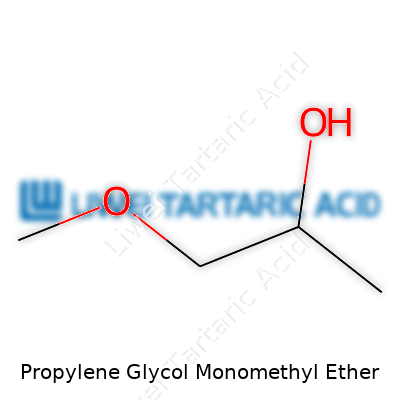
PGME comes from propylene oxide and methanol, linking those two gives a chain with an ether and an alcohol group. That mix creates the magic — both water and oil want to mingle with it, so it drags and mixes all kinds of grime, pigment, or ink. This chemical balance lands PGME in printing, paint removal, electronics cleaning, and dry-erase products.
People sometimes worry about toxicity. Research points out that PGME moves through the body pretty quick and doesn’t stick around in tissues. The American Conference of Governmental Industrial Hygienists (ACGIH) recommends a threshold limit for indoor air: 100 parts per million over an eight-hour day. That’s considered safe for workers when ventilation runs well. Compared to many relatives in the glycol ether group, PGME delivers less skin or eye irritation.
Over time, I’ve seen workplaces switch to PGME to cut back on substances with a bad safety record. Yet problems don’t vanish overnight. PGME brings risks of headaches, drowsiness, or sore eyes if someone stands in fumes for a long stretch. Responsible employers run exhaust fans, seal up drums, and hand out respirators for tough jobs. No one should use solvents carelessly, even gentler ones like this.
The eco-side of the story grows more complicated. PGME breaks down fairly swiftly in water and dirt, which helps in spills. Still, any run-off can damage stream life if amounts run high. The solution calls for better spill control, training for cleanup crews, and switchovers to closed mixing systems. Some experts push for further research into replacements made from plant materials, searching for safer and even more biodegradable answers.
Most folks don’t realize they meet PGME in products as ordinary as ink remover or window cleaner. Scientists and companies keep working to shrink the health and environmental footprint, aiming for that sweet spot where cleaning power and safety balance out. Plenty of other chemicals try to take its place, but not many blend strength and gentle handling quite the same. As work habits and laws evolve, the way we treat and regulate PGME changes too — always chasing that better way to clean without regrets down the line.
Propylene glycol monomethyl ether pops up often in labs, printing shops, and even places building electronics. Most people don’t think twice about a clear, sweet-smelling liquid. But this solvent causes headaches fast if you mismanage waste. Anyone who’s handled a leaky drum or seen an outdoor spill knows how just a little can ruin soil, or set off alarm bells at a treatment plant. There’s a responsibility involved in getting rid of chemicals that never really leaves your hands, even long after the bottle runs dry.
City wastewater systems can only handle so much. This solvent breaks down in the environment, but not fast enough to excuse lazy dumping. Pouring it down a drain is out of the question. It creates vapors, and that means headaches or worse if small rooms have no airflow. Local codes draw a firm line about flammable organic chemicals entering the sewer. Every year, reports surface of fires traced back to improper chemical waste pouring. Even mature waste treatment systems are not designed to strip solvents out of water without trouble. Local water tables may end up with remnants, harming more than fish down the stream.
Every workplace I’ve spent time in, whether industrial or academic, drills one rule: document everything. Used propylene glycol monomethyl ether never gets tossed in the regular trash. Instead, workers funnel waste into sturdy, labeled drums. Polyethylene containers handle it fine. Marking each with the right hazard wording keeps the next person safe. Even small labs benefit from contracts with licensed chemical waste firms. These companies send out periodic pickups and make sure the solvent heads to an incinerator built to destroy organic chemicals at very high heat. The ash and residue then go to a hazardous landfill, where nothing seeps out.
Many shops now use solvent recovery setups. Machines distill used solvent, pulling back the pure stuff for reuse and leaving behind residues for professional disposal. This reduces cost and cuts down on risk. Where I worked, a small still paid for itself in months. Regulations keep pushing for this; governments hand out guides, sometimes even rebates, to move businesses toward closed-loop systems. This doesn’t remove all disposal headaches but shifts much of the burden off local landfills and storm drains.
Training matters just as much as labels or special pails. New employees pick up habits quick. If supervisors cut corners, the whole crew learns to expect it. I remember one manager who made weekly walkthroughs, checking waste containers and paperwork. His effort sent a strong message about the seriousness of chemical handling. Feedback from people working the line keeps procedures honest. Everyone feels better knowing risky chemicals are far from the break room, and that the environmental burden sits a little lighter on our shoulders.
Disposal isn’t the final chore. Local and national rules keep changing. Businesses stay out of hot water by reviewing guidance from environmental agencies and double-checking vendor qualifications for waste haulers. Unexpected inspections catch nobody off guard with up-to-date logs and clear signage. Companies that keep safety and responsibility in the daily routine not only dodge fines but also protect their staff and the neighborhoods around them.

Providing high-quality chemical products and logistics solutions for global trade partners.



