
For most of human history, manganese usually pops up in heavy industries, pig iron, or as a footnote in a periodic table lecture. Its leap into biochemistry marks the start of something bigger. You start with manganese dioxide, pulling from deep inside the earth, then bring it into the lab where reactions pull out more than just heat: they open the door to health sciences. By the 20th century, folks realized manganese had something to say in nutrition, but raw ores would never do. That's where gluconic acid walks in, leading to the birth of manganese gluconate. The marriage of these two—food-grade gluconic acid and purified manganese salt—delivered a supplement fit for tablets, powders, liquids. The nutritional supplement scene, always looking for safer and more bioavailable options, latched onto manganese gluconate because it mixes trace mineral necessity with gentle ingestion. Big players in pharma and foods started shipping it worldwide, blending old-school chemistry with modern nutrition.
Manganese gluconate serves as a nutritional supplement, but its reach goes farther. It's a chelated salt, meaning it holds onto the gluconic acid tight, keeping manganese soluble and easy on the stomach. Athletes, folks with absorption troubles, and everyday users seek it out for bone support and enzyme function, all because the body grabs it faster than many other forms. In industrial circles, feed companies see it as a reliable additive. Cosmetic brands put it in skincare formulas for its role as an antioxidant. The packaging isn’t flashy—usually white to pale pink powders packed into drums and bags—but the stuff inside brings a lot to multiple tables.
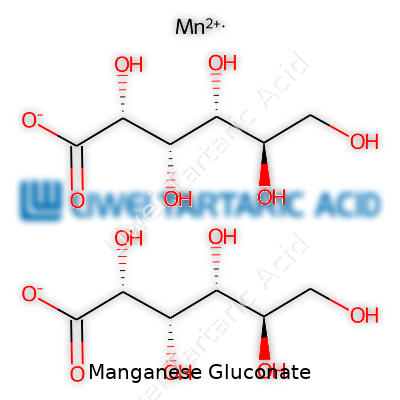
Take a close look at manganese gluconate in the lab, and you’ll find a powder with a fine texture, slightly pink or beige, dissolving easily in water and settling with a mild, sweet aftertaste. The chemical formula is C12H22MnO14, where each molecule brings a single manganese ion hugged by two gluconate chains. Its molecular weight stands just over 445 g/mol. Water solubility runs high, making it an easy fit for tablets and liquids. In storage, it prefers low humidity and solid containers, as it clumps readily with moisture. Its taste sets it apart from the metallic tang of some other manganese salts. The pH of a solution falls around neutral, making it friendly to diet and easy to blend with other nutrients.
The practical world deals in numbers: the typical manganese gluconate powder carries over 10% elemental manganese, measured batch by batch. Certificates of Analysis back every shipment, and those numbers need to match the label. Food and pharma producers expect lead, arsenic, cadmium, and mercury levels below strict thresholds, following FDA and EU specifications. The packaging lists the International Union of Pure and Applied Chemistry (IUPAC) name, synonyms, and the net mass. Labels must show clear dosing directions for supplements—overdosing can cause nervous system harm. In animal feed, each label calls out both total manganese content and inclusion rate per kilogram. Quality assurance steps in to block off-spec material from hitting shelves or warehouses, reflecting how regulatory agencies zero in on trace minerals with real precision.
Industry preps manganese gluconate using a reaction between manganese carbonate or manganese dioxide and gluconic acid. Batch reactors heat the mix gently, keeping the pH neutral or slightly acidic to drive the process. The gluconic acid—often sourced by fermentation of glucose—makes the chelation step straightforward. Filtration catches unwanted residues, and then a concentration step pulls the solution tighter. Spray-drying or evaporation yields a crystalline or powder form, and from there comes milling, sieving, and packaging. Each step gets monitored because impurities like heavy metals creep in if raw materials aren’t pure enough.
Most of the time, manganese gluconate doesn’t react much in ordinary storage. Under heat or strong acids, gluconate chains can break down, freeing manganese ions. When mixed with other minerals, like calcium or iron salts, precipitation can occur in solution if pH goes off balance. As for modifications, companies sometimes coat or granulate manganese gluconate to improve tablet flow or slow its dissolving in the gut. These tweaks mean more consistent absorption by the body, and they help with multi-nutrient formulations where several minerals might otherwise vie for absorption.
You’ll see manganese gluconate sold under several names: “Manganese(II) gluconate”, “Gluconic acid manganese salt”, or in some catalogs, just “Mn Gluconate”. Big nutritional brands might label it “manganese supplement”, highlighting its gentle action compared to less soluble salts like sulfates or oxides. Veterinary feed additive suppliers keep the naming simple for farm workers—“Manganese Gluconate Premix” and “Mn-Glu” show up on many sacks and spec sheets.
Toxicity gets attention, since both people and livestock need manganese but suffer from too much. Manufacturing sites follow strict ventilation rules to keep fine powders out of lungs. Spills call for swift cleanup—nobody wants trace metal contamination on work surfaces. Regulatory bodies enforce Good Manufacturing Practices (GMPs) so every batch features batch tracking, purity testing, and contaminant checks. End products—especially supplements—face mandatory labelling about who should avoid them, often including pregnant women or those with liver trouble. Training for plant workers covers all these steps, making sure both the people and the final product avoid harm.
Health stores line shelves with manganese gluconate as single-ingredient supplements and as part of multi-mineral blends. Doctors sometimes suggest it for folks suffering from bone pain, slow wound healing, and metabolic issues tied to enzyme deficiencies. Feedlots add it to mineral mixes for cattle, chickens, and pigs, because animals need sound bones and tissue repair just like people. The cosmetic industry relies on its ability to counter oxidative stress in the skin, one reason anti-aging creams often mention manganese on their boxes. Some water treatment plants experiment with manganese gluconate as a chelating agent, hoping to scavenge unwanted metals from supplies. Each of these uses springs from manganese’s key biological role in bone, cartilage, and antioxidant enzyme formation.
Labs dig into the bioavailability puzzle, pitting manganese gluconate against other manganese salts. Trials in humans and animals show gluconate wins on gentle absorption and lower risk of stomach irritation. Nobody’s resting on those results, though: companies keep testing different coating agents and delivery forms—chews, slow-release tablets, liquid suspensions—to drive up acceptance and reduce side effects. Some research tracks manganese trajectories in the body, looking for clues about how age or disease alters metabolism. Scientists and clinicians eye its role in managing diabetes and certain neurodegenerative diseases, with the hope of spelling out dose guidelines that help without crossing into toxicity. Universities and private labs collaborate to run both animal and cell culture studies, seeing if fine-tuned manganese supplementation improves recovery after surgery, injury, or major infections.
Too much manganese leads to tremors, memory loss, and nervous system injury, not just in miners but also anyone taking supplements irresponsibly. Toxicology studies suggest the threshold in adults lands somewhere above 11 mg per day of elemental manganese from all sources—food, water, vitamins. Folks with liver or kidney disease face extra risk, since the organs can’t clear excess manganese efficiently. Animal feed regulations guard against overdosing, since young calves or chicks prove especially sensitive. In the lab, long-term studies track manganese build-up in tissues and brains, pushing researchers to tighten exposure limits. The take-home message is clear: even minerals with essential roles can trigger harm if they pile up the wrong way.
Nobody expects manganese gluconate to vanish from supplement aisles or livestock feeds. Most nutrition trends point toward increased interest in trace minerals, not less. Companies invest in smarter ways to combine manganese with other nutrients, lowering the pill burden for older folks or those with gut troubles. Producers eye new coatings, nano-emulsions, liquid sprays, and other forms as a way to raise absorption while cutting metal aftertaste. On the research front, studies dig into how manganese helps with wound healing, energy metabolism, and perhaps even slowing the march of diseases like Parkinson’s. Plant and animal biologists want to know if tailored manganese doses in feed bring more productive yields and healthier livestock. Regulations and science push closer together: routine screening, tighter dose controls, and better labeling tell consumers what’s inside. All these steps help keep manganese gluconate safe, useful, and affordable for the next generation of nutrition and wellness products.
Manganese isn’t a mineral most people think about daily, but it plays a big role in keeping bodies running smoothly. Manganese gluconate works as a popular supplement form because it absorbs efficiently and offers a gentle option for people whose diets might fall short. I started looking into it a few years ago after seeing how athletes in my circle felt better recovering from intense workouts by paying closer attention to their micronutrient intake, not just protein and carbs. This got me curious — why does this mineral matter so much?
Bones feel sturdy until they suddenly aren’t. Manganese helps keep them strong because it supports the formation of bone cartilage and collagen. The mineral teams up with calcium, vitamin D, and vitamin K. The U.S. Department of Agriculture points out that manganese is needed for normal bone development, especially as people get older. It’s no accident that diets rich in nuts, whole grains, and leafy greens—foods with manganese—connect with lower rates of bone disorders. Many health-conscious folks in my family who stick to these foods seem to keep moving well into their seventies.
People hear “antioxidants” and think berries or green tea, but manganese acts as a building block for enzymes that keep oxidative stress in check. One such enzyme, manganese superoxide dismutase, is essential for keeping cell damage at bay. Modern life throws plenty of stresses our way, from pollution to processed food. Our bodies push back using antioxidants, and without enough manganese, that defense weakens.
Manganese gluconate plays a part in using other nutrients efficiently. It helps the body handle amino acids, cholesterol, glucose, and carbohydrates. I grew up seeing relatives manage blood sugar issues, and newer research hints that adequate manganese intake may help insulin work better. Studies in American Journal of Clinical Nutrition note that people with good manganese status often show more stable blood sugar control.
Joint pain isn’t just an “older person” problem. Anyone who runs, lifts, or just spends hours at a desk can feel stiff or sore. Manganese supports the making of connective tissues and cartilage, so it influences how bodies recover after strain or injury. I’ve tried supplements myself after tough hikes or gym sessions, and while it’s never a magic cure, aches tend to fade faster when the rest of my diet isn’t short on trace minerals like manganese.
Balance matters. Too much manganese, whether from supplements or diet, can cause problems with nerve function. Most people who eat a regular diet in the U.S. don’t need huge extra doses—deficiencies are rare—but people with poor absorption issues or particular health conditions can benefit with guidance. A registered dietitian can help sort out the right amount for individual needs.
There’s no need to chase fancy supplements if your meals include beans, nuts, oats, and leafy greens—you’re likely covered. Manganese gluconate offers a reliable option for those who can’t meet needs through food alone or whose bodies need a boost. Regular testing and good medical advice keep things in the safe zone. Paying attention to minerals turns out more important the older I get, and manganese stands out as one of the unsung helpers people often miss.
Minerals don’t get much spotlight, but manganese quietly supports many parts of the body. It plays a role in bone building, connective tissue development, and helping the body process carbohydrates and fats. I remember a nutritionist once told me most of us get what we need through food, like nuts, leafy greens, and whole grains. Still, certain people end up with deficiencies, and that’s when manganese gluconate supplements come into play.
Cutting straight to the point, dosage isn’t just a matter of scooping powder or popping a pill. The Food and Nutrition Board recommends that men get around 2.3 mg and women get about 1.8 mg of manganese per day—kids and pregnant women fall on slightly different levels. Taking more doesn’t guarantee extra benefits. In fact, too much can cause harm. I’ve seen people assuming that if a little helps, a lot will help more. That approach just doesn’t hold up with minerals.
Doctors often suggest manganese supplements to folks with very specific needs. People with digestive disorders like Crohn’s disease, or those who rely on intravenous nutrition, may actually need the extra support. Sometimes, the modern Western diet—heavy on processed food—kills off many sources of natural minerals, which can put a person at a disadvantage.
For healthy adults, reaching for manganese gluconate without a real deficiency typically isn’t necessary. Too much over a long period can lead to nervous system problems. I remember reading about workers exposed to excess manganese in the steel industry who started facing symptoms close to Parkinson’s disease. High doses also mess with iron absorption, which could lead to anemia for those already borderline.
Getting an exact dose starts with figuring out if a supplement is needed at all. A good doctor, dietitian, or pharmacist becomes invaluable here. Relying on random internet advice just isn’t wise. Blood work can measure manganese levels if there’s a real concern. After that, a health professional recommends a form and dose that fits the person’s health status and diet.
Most supplements come in tablets or capsules. Manganese gluconate gets absorbed reasonably well from the gut, compared to some other manganese compounds. It’s best taken with food to lower gut irritation and help the body use it properly. I’ve often told friends who take any supplement to avoid chasing it down with coffee or tea, since tannins can block absorption.
Clear labeling matters. Supplement companies need to stick to serving sizes that match real daily requirements—not some sky-high promise of “extra strength.” Education could help a lot, too. Pharmacies and clinics can explain the risks of high doses, and why balance in the diet covers most mineral needs.
Health tracking apps and regular check-ins make a difference for people on long-term supplements. If a doctor gives the green light, taking only what meets daily requirements and steering clear of mega-doses feels much safer. Manganese won’t work magic overnight, but with some care, it can be a safe and helpful part of a healthy life for those who truly benefit.
Manganese gluconate finds its way into supplements, food fortifiers, and even multivitamins at the pharmacy. The body depends on manganese for bones, nerves, and enzyme function. Natural food sources include nuts, legumes, and leafy greens. For most folks eating balanced meals, deficiencies show up rarely. Extra doses mainly appeal to those following strict diets or dealing with certain health conditions where doctors recommend a supplement.
Although the label may promise big benefits, taking extra manganese doesn’t always come free of risk. Most healthy people handling a balanced diet absorb enough from their meals. A little extra, especially in supplement form, can sneak up over time. Nausea and stomach trouble often kick off the list of mild side effects. Doses above what the body actually needs may bring on constipation, abdominal pain, or loss of appetite.
Doctors and toxicologists point out that manganese in high amounts sticks around in the body longer than water-soluble vitamins. Blood and brain tissue store excess manganese, so overdoing it daily opens the door for more serious health concerns. Research published in journals like the Journal of Occupational Medicine and Toxicology details how chronic, high manganese exposure sometimes leads to issues with movement and mood—think muscle tremors, slowed reactions, and mood swings.
Certain people face bigger risks. Folks with chronic liver problems own a reduced capacity to clear manganese, letting it build up faster. Even smaller supplemental doses might tip them into the danger zone. Infants and the elderly may also have more trouble regulating levels, making unsupervised use a gamble.
If you start reaching for manganese supplements, check in with your primary care provider first, especially if you’re living with a chronic health issue. Doctors use bloodwork and sometimes neurological tests to watch for early signs of toxicity. The Institute of Medicine recommends adults keep manganese intake below 11 milligrams a day. That might sound like plenty, but an average American diet already covers much of that number.
Label reading matters. Many multivitamins combine several trace minerals into one high-dose pill. It pays to survey your entire supplement lineup, including protein powders, meal replacements, and even fortified cereals, to avoid accidental excess.
If you encounter lingering stomach upset, headaches, or unexplained weakness after starting a manganese supplement, take that as a message from the body. Experience shows the side effects may fade after dropping the supplement, but ongoing symptoms deserve a trip to the doctor.
Manganese supports good health in the right amounts but won’t turn the tide on well-being alone. Keep perspective: getting nutrition from food almost always brings better balance. For those curious about boosting intake, food-based choices bring far less risk than isolated supplements. Anyone thinking about going beyond food sources benefits from medical guidance, since the line between enough and too much runs pretty thin with trace minerals like manganese. Paying attention now saves trouble down the road.
Manganese gluconate often shows up on the back of multivitamin bottles and supplement jars. This form of manganese gets used because it dissolves easily in water, making it easier for the body to absorb. Manganese itself is a mineral that the body needs for things like bone formation, blood clotting proteins, and breaking down fats and carbohydrates. Most folks get enough manganese just from eating foods like nuts, whole grains, and leafy greens.
The recommended dietary allowance (RDA) for manganese rests at about 2-2.3 mg per day for adults. Most people get what they need from their diet without thinking twice. Supplements may push daily intake much higher. Too much manganese over time, especially from supplements, prompts a real concern in science circles. Several studies have linked excess manganese intake to issues like nerve damage and cognitive changes. The body gets rid of extra manganese through the liver and bile, so liver disease raises risk for toxicity.
A report published by the Institute of Medicine sets the tolerable upper intake level at 11 mg daily for adults. Going beyond that for long stretches doesn’t stack up well with long-term health. Symptoms of manganese overload look like tremors, muscle stiffness, and even trouble focusing or remembering things. With long-term, high-dose exposure, people have developed a syndrome that shares similarities with Parkinson’s disease.
Working in health care, I’ve seen a handful of patients who wanted a quick fix for tiredness or bone aches and started taking manganese supplements on their own. None of them ended up needing extra manganese after we checked their diets and ran some simple blood tests. We talked about risk, and most felt relieved to swap the supplements for green veggies or nuts.
Manganese gluconate as a supplement hasn’t triggered a pile of lawsuits or large-scale recalls the way some unsafe herbal products have. Still, news about the risks of long-term heavy metal exposure lingers in the background. The World Health Organization points out that even the best multivitamin can add up over the years. Since the brain is most sensitive to manganese buildup, this mineral deserves a bit of respect and caution.
Plenty of folks fall into a trap, thinking more is always better when it comes to nutrients. Food sources keep levels steady. Supplements may make sense for people diagnosed with a real deficiency, but those cases happen rarely. Blood tests can confirm if manganese levels run low. Health professionals recommend keeping a close eye on total daily intake, especially in people with liver or kidney troubles.
Anyone thinking about using manganese gluconate day-in, day-out ought to speak honestly with their doctor. Asking for a basic mineral panel can put the question to bed. For manufacturers, there’s a growing need to post clear dosing instructions and warnings on every label. The research community keeps pushing for longer, more detailed studies to sketch a fuller picture of risk over decades.
Eating a solid, balanced diet and treating supplements as what they really are—add-ons rather than essentials—brings peace of mind and real safety, especially over the long haul.
Manganese gluconate pops up in a lot of supplements lining pharmacy shelves. Some grab it for bone health or to fill a gap in their diet. But mixing this mineral with other pills can surprise you. More people stack supplements these days without talking to their doctor or double-checking what might interact. This habit can cause more harm than benefit, especially if you already take other medications.
Taking manganese gluconate on its own? Doesn't usually cause trouble for most healthy folks. But problems crop up once prescription meds, herbs, or vitamins enter the mix. Anyone using antibiotics like tetracyclines or quinolones might run into issues. These antibiotics and manganese can tangle in the gut, lowering how much medicine makes it into your bloodstream. That could leave infections sticking around much longer than needed.
I learned this lesson years ago when a close friend landed on antibiotics for a stubborn sinus infection. She thought popping her regular mineral supplement would boost her recovery. Instead, her doctor pointed out that taking the two together probably had her wasting both time and money since the minerals basically blocked the medicine. Most people don't realize absorption matters just as much as the dose.
People with heart concerns, especially those using blood pressure medicines or blood thinners, should look twice at manganese supplements. High levels can tinker with blood sugar or iron levels, which sometimes messes with how heart drugs or diabetes meds work. Some researchers have seen this mineral pushing blood sugar up or down, especially in people who don’t eat enough or have certain health problems. Doctors often remind patients on warfarin and similar blood thinners to keep a steady level of vitamins and minerals. Tossing in extra manganese muddles dosing and can swing clotting times in unexpected directions.
Manganese shares a transport system with iron, calcium, and several other nutrients inside your intestines. Taking high-dose manganese isn’t a matter of “the more, the better”—it can actually shove aside iron or reduce calcium absorption. Over a few weeks, that adds up, especially for people prone to anemia. Growing up, I saw family members take separate iron supplements hours apart from their multi-mineral pills just to avoid this battle inside their body.
Reading labels helps, but the real answer comes from having honest conversations with healthcare providers. Don’t combine over-the-counter supplements and prescription meds without saying something. Digital drug interaction checkers help, but people can't always depend on every pharmacy to spot every risk. I’ve seen patients bring in rattling bags of vitamins, only to discover half of them cancel each other out. Keeping a simple list and asking the pharmacist for a quick review turns out safer and easier. Even splitting doses by a few hours can make a real difference. If you feel off—or if something isn’t working like it used to—bring it up early. Staying a step ahead pays off every time.
Nobody loves surprises when it comes to their health. Though manganese gluconate seems harmless, the body works as a system, not a set of single parts. A little caution, a conversation with your doctor, and a habit of checking interactions go a long way. Most dangers can be sidestepped by mixing in a bit of curiosity and patience before reaching for another jar on the shelf.

Providing high-quality chemical products and logistics solutions for global trade partners.



