
Years ago, magnesium’s deficiency started to raise eyebrows among both doctors and everyday people. Solutions cropped up, yet the body often rejected some forms of supplements. Magnesium gluconate entered the conversation thanks to its solid bioavailability, easing absorption troubles that plagued other magnesium salts. In the twentieth century, as dietary science kicked up dust, food technologists and pharmacologists started pressing for gentle, absorbable minerals. Magnesium gluconate’s pairing of glucose-rooted gluconic acid with magnesium built a bridge to both food and medicine. Over the decades, as supplements became staples in medicine cabinets, magnesium gluconate’s reputation grew on the back of research and clearer rules from regulators.
Magnesium gluconate usually shows up as a white to off-white powder, nearly odorless if you take a good sniff. Pill, capsule, granule — manufacturers pour this stuff into many forms. Quality product lists a percentage by weight for magnesium content, often around 5.4% elemental magnesium. Pharmacies fill their shelves with this supplement, but food factories blend it into fortified cereals and baked goods. Companies keep an eye on consistency, blending, and flow so the magnesium sticks evenly in mixes, especially in big-batch food processing or compact tablet pressing.
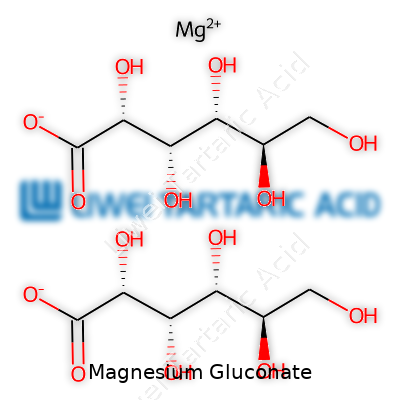
Physically, magnesium gluconate makes for a fine, free-flowing powder. Its water solubility appeals to anyone tired of gritty drinks. Chemically, it runs by the formula C12H22MgO14·xH2O, often showing as the dihydrate. The powder melts between 170°C and 175°C but rarely faces the heat outside quality control labs. Its moderate hygroscopic nature means steady storage matters, or moisture creeps in, ruining shelf life and ease of use. The pH, sitting between 6 and 8 as a 5% solution, fits comfortably with delicate stomachs. Testers check both the physical look and elemental content to ensure what users swallow matches the label.
Labels cover everything from magnesium percentage to batch numbers. Pharmacopeias like the USP or EP lay out specific guidelines — heavy metal content, microbiological purity, clarity in solutions, and moisture content standards. Labels often promise “gluten-free” or “non-GMO,” catering to modern dietary habits. Supplement facts must list “magnesium (as magnesium gluconate),” not just a broad mineral name. Batch testing for arsenic, lead, cadmium, and microbial presence goes into the paperwork, aiming to reassure both regulators and customers.
The road to making magnesium gluconate starts with gluconic acid, often generated through glucose fermentation. Magnesium carbonate or oxide gets added to the mix, sparking a controlled reaction. Tried-and-true, this pathway churns out magnesium gluconate, which chemists then purify — often crystallizing it out, washing, then drying the powder in hot air. Large pharmaceutical gear handles the job for commercial output so batch sizes scale up without losing control over magnesium content or particle sizing. Precise measurement throughout the process keeps each lot consistent for supplement or food use.
Production leans on neutralizing gluconic acid’s acidity with magnesia or magnesium hydroxide. After reaction, checks for unreacted minerals take priority, since leftover grains can spoil texture or cause stomach grumbles. Sometimes, a stabilizer like silicon dioxide comes in to prevent caking. No drastic chemical modifications hit the finished product, keeping it in the “simple salt” family. Occasionally, blending with other mineral salts or vitamins tailors the final supplement for certain markets.
In the global chemical trade, magnesium gluconate goes by names like magnesium(II) gluconate, gluconic acid magnesium salt, or E345 (as the food additive identifier in Europe). Supplement bottles usually spell out “magnesium gluconate,” but some may label it under broader categories or blend names, depending on regional rules. Patent applications will sometimes tweak the name, bundling it with other micronutrients for branded products.
Facilities running magnesium gluconate production stick close to GMP (Good Manufacturing Practices) and HACCP (Hazard Analysis and Critical Control Points) recipes. These protocols draw routine audits, with checklists for cross-contamination and air quality. Workers use personal protective gear even though toxicity runs low, because dust inhalation over hours brings its own problems. Finished goods roll through metal detectors and tamper-proof packaging lines, leaving little room for error before shipping. Staff carry out recall drills on occasion, so if a test flags an outlier batch, steps kick in quickly to pull products from shelves.
Magnesium gluconate doesn’t just sit on pharmacy counters. Hospitals add it to intravenous fluids when bloodwork shows magnesium dips into dangerous territory. Athletes and wellness enthusiasts often pick magnesium gluconate in chewables or powders due to its mild taste and gentle gut response. Cereal and drink makers turn to this mineral for nutrition panels, since consumers want magnesium’s reputed benefits for muscle and nerve health. Even animal feeds and veterinary medicine plug this ingredient into food for horses and dairy herds. In my experience, patients with dietary restrictions or certain malabsorption issues do better with this form over the harsher “oxide” mineral salts.
Clinical research into magnesium gluconate keeps turning up insights about how different salt forms behave once swallowed. Absorption rates outpace magnesium oxide or even magnesium sulfate. Trials look at blood magnesium levels over time instead of just plasma spikes, figuring out real-world retention. A few studies use it in migraine management or in chronic fatigue cases, while sports scientists mark its role in preventing muscle cramps. Researchers probe new delivery systems — fast-dissolving films, liquids, and engineered nanoparticles — hunting for gentler absorption and fewer stomach complaints. Pharmaceutical companies also tinker with multi-mineral blends to help magnesium gluconate fit wider uses, from heart health to sleep aid markets.
Most peer-reviewed data put magnesium gluconate’s toxicity risk on the low end, especially compared to other magnesium compounds. At levels found in supplements and enriched foods, it rarely triggers toxicity in people with healthy kidneys. Doses far beyond label recommendations could trigger loose stools or, in extreme cases, cardiac suppression in folks with underlying kidney trouble. Lab animals given big doses show kidney strain or electrolyte disturbances, but studies feeding humans standard supplement doses stack up as safe. Regulatory agencies set tolerable upper intake levels to guard against accidental overdosing, and warning labels flag the rare but real danger for people with kidney disease.
Interest in magnesium for mental wellness, metabolic support, and chronic disease management keeps rising. Consumer focus moves from just meeting daily requirements to optimizing wellbeing, so manufacturers seek purer, more bioavailable magnesium sources. New research presses for evidence that high-absorption forms cut back on minor side effects like stomach queasiness. Startups and research labs push into new delivery formats — sprays, infused drinks, and even bioengineered slow-release beads. As diets continue shifting toward processed foods, fortification policies may lean more heavily on proven compounds like magnesium gluconate. Given ongoing public health pushes against nutrient deficiencies, magnesium gluconate stands to play a lasting part in both preventive medicine and daily nutrition.
People go through their routines, not really thinking about minerals like magnesium until something goes off track with their health. Magnesium gluconate sits quietly in the supplements aisle, overshadowed by flashier options—multivitamins, protein powders, miracle greens. Yet, folks involved in sports, stressed-out office workers, and even seniors have all asked their doctors about fatigue, muscle cramps, sleep troubles, or endless headaches. More times than you’d expect, low magnesium turns up as the culprit.
Walking my local pharmacy’s aisles, magnesium gluconate lines up beside other magnesium options. But gluconate stands out for its gentle touch. People dealing with digestion issues or sensitive guts often find other forms of magnesium—like oxide or sulfate—cause discomfort, diarrhea, or stomach upset. Gluconate, on the other hand, enters the bloodstream without rough side effects.
The folks who reach for magnesium gluconate usually have specific goals:
Doctors, nutritionists, and science journals agree that most people in North America don’t get enough magnesium. Processed foods, soft water, and high-sugar diets make it tricky to hit that target. People living with diabetes, Crohn’s disease, or kidney disorders face extra barriers. Personally, after a few months of recurring migraines, I learned my own magnesium levels had tanked—despite eating plenty of leafy greens. Supplements like magnesium gluconate tipped the balance after food alone wasn’t enough.
No pill fixes everything. Too much magnesium (even gluconate) leads to messy problems—diarrhea, irregular heartbeat, or worse. I’ve seen folks double or triple doses chasing better sleep or fewer cramps, only to wind up with nasty side effects. Dosage matters. Most adults thrive on roughly 310-420 mg per day from all sources, with guidance from health professionals.
The best habit? Treat supplements as a tool, not a magic fix. Eating whole grains, spinach, beans, and nuts gives the body plenty of magnesium. Anyone considering a supplement should get lab work first and talk to a trusted doctor or dietitian. Magnesium gluconate fills gaps, especially for people with absorption issues, specific conditions, or food limitations.
Magnesium gluconate doesn't scream for attention, but it does plenty of quiet good. It solves cramps, supports the heart, calms nerves, and strengthens bones. It meets its promise best in the hands of informed people—those who read labels, ask questions, and let real food carry most of the load.
Magnesium keeps many systems running smoothly. This mineral helps muscles work, supports nerves, and balances other important body functions. Doctors sometimes suggest magnesium gluconate for people who don’t get enough magnesium from food. Pills and powders line the shelves, promising easy solutions. Sometimes, though, a body can react to extra magnesium in ways that surprise you.
Most folks notice mild trouble after taking magnesium gluconate. Stomach aches and loose stools top the list—especially if someone takes more than a doctor recommends. A dose or two can spark diarrhea or cramping for some people. Digestive trouble usually signals the body’s effort to get rid of what it doesn’t need. Anyone who has grabbed a “gentle” magnesium supplement expecting calm might get caught off guard by these reactions. My own experience says starting slow and taking the pill with food can make a huge difference.
Tiredness and weakness don’t show up as often but deserve attention. If magnesium creeps too high in the blood, muscles slow down, and thinking feels foggier. This feels different from normal tiredness—you might notice sluggish arms and legs, or find it hard to focus. For older adults and people with kidney concerns, these risks grow. Kidneys filter extra magnesium, and any trouble with these organs can tip the balance. We know serious side effects like low blood pressure, confusion, or an irregular heartbeat pop up in rare cases, mostly with high doses.
Magnesium gluconate looks safe for many healthy people if they follow instructions. Still, people with kidney disease, heart conditions, or those on certain prescription meds can face bigger problems. Some diuretics and antibiotics mess with magnesium levels. Before jumping on supplements, anyone taking heart or blood pressure medication should have a real talk with their doctor or pharmacist. Medical experts warn against doubling up with other high-magnesium products—this includes antacids and laxatives.
Symptoms such as chest pain, slow heartbeat, or difficulty breathing count as emergencies and mean it’s time to get help. Allergic reactions like rash, itching, or swelling are rare but possible, and no one should ignore new or unusual symptoms. Paying attention to what your body tells you keeps small issues from turning into something bigger.
People who eat lots of nuts, seeds, greens, and whole grains rarely need extra magnesium unless a doctor says so. Blood tests can show whether a supplement is needed. If you or someone you know worries about side effects, switching to a lower dose or spreading it out over the day eases many problems. Recording symptoms in a simple notebook helps track patterns that might otherwise go unnoticed. Sometimes the basics—like drinking enough water—help cut down on tummy trouble, too.
Knowing what to expect from magnesium gluconate brings peace of mind. Talking with healthcare professionals, using trusted resources, and listening closely to your body set the stage for safe use. Medical science continues to study how supplements work best in real life, not just in theory. With practical care, extra magnesium can play a small but helpful part in a healthy lifestyle without surprises.
Magnesium plays a pretty important role in how our bodies run. From relaxing muscles after a long day to keeping your heart ticking right, this mineral covers a lot of ground. I’ve noticed that magnesium gluconate pops up a lot when people search for ways to boost their magnesium, partly because it tends to be easier on digestion than some other forms.
Doctors or pharmacists usually know the best starting point for any supplement. Most adults look at doses around 500 milligrams per tablet, though not everyone needs that much. I once tried taking it without talking to a doctor and ended up with an upset stomach—turns out, less can actually be more. Too much leads to diarrhea, cramps, and sometimes worse problems for folks with kidney trouble. The National Institutes of Health suggest adults aim below 350 mg a day from supplements. More can make sense for those with serious deficiencies, but that’s something to sort out with medical advice.
I tried taking magnesium at night just before bed, and it helped with muscle cramps. Some do better spreading it out through the day with meals, because it lowers the risk of stomach aches. If it bothers your stomach even then, trying a smaller dose or switching to another time of day can help. Foods and drinks rich in calcium or iron slow absorption, so I learned not to wash my tablet down with milk or take it with a multi-vitamin. A glass of water on an empty stomach works best for some, but eating a little food can cushion things for sensitive stomachs.
Not every bottle gives you what it promises. Some over-the-counter brands cut corners, which gets risky. I always hunt for supplements that have been tested by third parties, like USP or NSF, since these groups help weed out the shady products. It’s worth skipping the bargain bin for peace of mind, especially if taking magnesium long term.
Magnesium gluconate can mess with how your body absorbs certain antibiotics, blood pressure pills, or heart medications. I found out the hard way that my usual antihypertensive didn’t work as well when I mixed it with magnesium. Chatting with a pharmacist saved me time and trouble. Anyone who takes prescription meds should run new supplements by a doctor or pharmacist.
Muscle cramps fading and better sleep felt like good news to me. Loose stools, weaker muscles, or an unusually slow heartbeat send another message—back off that dose or check in with a healthcare provider. Folks with kidney problems need even more caution, as their bodies hold on to magnesium longer and can wind up in serious trouble.
Not everyone benefits from adding magnesium gluconate. Many people get enough magnesium from everyday foods like leafy greens, nuts, beans, and whole grains. If your diet already covers those, there’s little reason to pop another pill. Blood tests can clear up the guesswork, and none of us should waste money on supplements that don’t really help.
Standing at the pharmacy, it’s easy to feel overwhelmed by warnings and lists of possible drug interactions. Magnesium gluconate, a supplement a lot of folks pick up for muscle cramps or a low-magnesium diagnosis, adds one more layer to the mix. It sounds straightforward, but the way it plays with other pills brings more questions than answers. Taking it with other meds isn’t always risky, but ignoring possible problems means rolling the dice with your health.
Magnesium does more than help with cramps or bone health. It can change the way our bodies absorb and use certain drugs. For example, people using antibiotics like tetracycline or ciprofloxacin get a clear warning: magnesium binds with these, making the antibiotics much less effective. Even thyroid medicine—such as levothyroxine—struggles to get picked up by the body if magnesium is floating around in your system. That can push your thyroid back out of balance, undoing the benefits of your daily pill.
Diuretics, common for high blood pressure or heart trouble, can either raise or lower blood magnesium levels. Water pills such as furosemide often flush magnesium out of your system, sometimes causing a deficiency. Thiazide diuretics also shuffle around electrolytes, making magnesium depletion more likely. ACE inhibitors, prescribed for blood pressure or heart failure, swing levels the other way, raising blood magnesium if kidneys aren’t healthy. Mixing these with magnesium gluconate by guessing can set off a chain reaction that’s hard to notice until symptoms show up.
My dad took magnesium for leg cramps. On the advice of a neighbor, he started popping them after dinner—alongside his antibiotic for an infection and his usual heart medicines. Two weeks later, his infection wasn’t clearing. Our family doctor figured it out quickly. The magnesium was blocking the antibiotic. No one had warned him at the pharmacy or highlighted this in the prescription info. That wake-up call taught me how easy it is to overlook common supplements. It also showed how these moments often come down to small, overlooked details.
People often trust over-the-counter supplements, forgetting that even natural-sounding substances can pack a punch. Every supplement or new prescription should trigger a quick run-through with a pharmacist or health provider. Telling your provider about every pill means fewer nasty surprises down the line. Pharmacists usually know right away which meds don’t play well together, and they appreciate folks taking charge of their care.
A simple life hack: space magnesium away from sensitive medicines by at least two hours. This helps antibiotics and thyroid drugs do their job without magnesium interference. For ongoing prescriptions for heart, blood pressure, or seizure disorders, regular blood work ensures magnesium isn't slowly tipping the scales in the wrong direction. Most of us want to take charge of our health, but the small print on handouts never gets read thoroughly. A quick conversation with a knowledgeable provider helps avoid months of headaches and missed recovery progress.
Pill organizers fit nicely on kitchen counters, but tossing supplements and prescription drugs in the same spot doesn't mean your body handles them the same way. It helps to double-check combinations, ask questions, and look for guidance that fits real experience, not just fine print. People who learn this habit often stay ahead of the curve, saving money, time, and frustration on figuring things out through trial and error.
Magnesium gluconate isn’t off-limits, but it isn’t magic, either. Treating every supplement like a serious medicine keeps things simple and safe, and puts control back where it belongs: with the person taking the pills each day.
People reach for magnesium gluconate to fill nutritional gaps, help muscle cramps, or relax before bed. It sounds like a simple fix, but not everyone should add it to their routine. Some folks run into real trouble with this supplement because of existing health problems or drug interactions.
Kidney issues stand at the top of the list. Healthy kidneys filter excess magnesium out of the blood. People with kidney disease don’t get that safety net, so magnesium can build up to dangerous levels. This leads to symptoms like slower heartbeats, feeling weak, or, in severe cases, trouble breathing. Over my years working at a health clinic, I saw patients with failing kidneys who felt worse after trying over-the-counter magnesium supplements on their own. Doctors usually run blood tests to keep tabs on these mineral levels for a reason.
Heart rhythm medications also clash with magnesium supplements. People with heart concerns often take drugs such as digoxin or certain diuretics. Magnesium gluconate can mess with how these drugs work, sometimes raising levels of the other medicine, or changing the heartbeat in unexpected ways. Sudden changes in heartbeat can land you in the emergency room. A couple of my close family members learned this lesson about mixing supplements and prescriptions—one ended up with a scary trip to the hospital after adding a magnesium pill without checking with her doctor first.
Antibiotics film another layer of risk. Tetracycline and quinolone antibiotics—like ciprofloxacin—stick to magnesium in your gut. This means the body absorbs less of the antibiotic, making the medication less effective. Doctors usually advise spacing out doses or skipping magnesium altogether while on these drugs.
People using medication for osteoporosis or thyroid issues need to keep an eye out, too. Magnesium can block how well the body uses these pills. Thyroid hormones are especially picky: magnesium can mean these medicines just don’t work as well. If schedules aren't separated by a couple of hours, patients might not get the full effect.
For pregnant women, a bit of caution goes a long way. Magnesium does help with leg cramps during pregnancy, but high doses can hurt, not help. Too much can trigger diarrhea, low blood pressure, or even problems for the baby. Only add magnesium if an OB-GYN gives the green light.
Anyone with a history of stomach issues, like chronic diarrhea or bowel blockages, should think twice before using magnesium gluconate. Diarrhea leaves the body short on fluids and can flush out more magnesium than usual. Taking extra magnesium sometimes makes these stomach troubles even worse.
Questions about vitamins and minerals come up during regular checkups. Doctors look for telltale signs of low magnesium—muscle cramps, fatigue, irregular heartbeat—but don’t guess just because a friend suggested it. Blood tests give a clear answer. Bringing a list of daily supplements to appointments saves a lot of explaining later if something goes wrong.
A balanced diet with leafy greens, nuts, and beans covers magnesium needs for most people. Supplements step in only when a real blood test shows a shortage. Experienced health professionals like pharmacists and dietitians can help sort through the noise and offer solid guidance, so people don’t make choices in the dark.

Providing high-quality chemical products and logistics solutions for global trade partners.



