
Calcium lactate gluconate grew out of the long search for better ways to deliver calcium. The early 20th century was marked by efforts to fight deficiencies, especially rickets, which was touching families worldwide. Traditional calcium salts such as calcium carbonate and calcium citrate weren't always gentle on the gut and didn't absorb well in everyone. Science pressed forward. In the late 20th century, researchers developed new calcium compounds, including calcium lactate gluconate. This compound was born from the combination of calcium lactate and calcium gluconate, merging the ease of solubility of one with the high bioavailability of the other. Innovators wanted a supplement that dissolved as easily in cold water as in a warm one, allowing hospitals to fortify foods and drinks for at-risk patients. From the 1980s on, food and beverage technologists steadily included this compound as a safe, efficient calcium source across global diets.
Calcium lactate gluconate blends calcium gluconate and calcium lactate in fixed proportions, resulting in a white, odorless powder. Chemists and food scientists reach for it to add calcium to foods, beverages, and supplements where taste or solubility matter. Opposed to many traditional calcium salts, this blend slips easily into liquids, doesn’t form lumpy sediments, and rarely leaves a chalky aftertaste. Companies sell it in various grades, with purity and particle size suitable for what they're fortifying — from clear beverages to pressed tablets. Labels often state calcium content by weight, giving manufacturers a clear tool for precise dosing.
On paper, calcium lactate gluconate shows up as a white, fine, and nearly tasteless powder. It holds up under sun and humidity, resisting clumping that haunts other calcium sources. Its solubility reaches about 10 grams per 100 milliliters of water at room temperature, a big jump from calcium carbonate's stubborn insolubility. Because the compound resists breakdown under gentle heating, beverage bottlers count on it in sports drinks and flavored waters on store shelves. In the lab, the mixture’s pH lingers around 6.5 to 8.5 in water, making it friendly for acidic or neutral applications. Chemically speaking, it doesn't start fizzing, foaming, or smoldering, so factories equipped with ordinary ventilation and gear handle it safely.
Packaging lists calcium lactate gluconate’s calcium content, often ranging between 12 and 13 percent by weight. Purity standards follow pharmacopoeial guidelines set by USP, FCC, or similar authorities, limiting lead, arsenic, and other metals to a few parts per million, an essential safety margin when fortifying products for growing children or the elderly. Companies supplying it to medical settings certify absence of allergens and genetically modified organisms (GMO), offering traceability records for every batch. Food fortification requires that concentrations appear clearly on nutrition labels, supporting informed decisions, especially where regulatory caps aim to prevent supplemental calcium overload in target populations.
Manufacturers produce calcium lactate gluconate through a wet granulation route, bringing together calcium carbonate or calcium hydroxide with gluconic acid and lactic acid in water. They maintain tight temperature and pH control. Impurities filter out before spray drying and milling. Operators adjust reactant ratios, balancing calcium yield with solubility. Modern plants use closed, automated reactors and in-line sensors, checking that every run produces material within strict purity and solubility targets. Final product goes through sieving and metal detection before it ships out, with samples analyzed to ensure a consistent product batch after batch.
In most industrial settings, chemical modification isn't a common part of calcium lactate gluconate’s journey. The compound resists breakdown by light, oxygen, or mild acids, lending itself to stable storage. If chemically altered, it happens in research labs, where scientists sometimes tweak it with chelating agents or blend it with magnesium salts, exploring synergies for specialized dietary supplements. For typical food and supplement manufacturing, the powder arrives ready-to-use and reacts only minimally with ingredients in water- or dairy-based drinks.
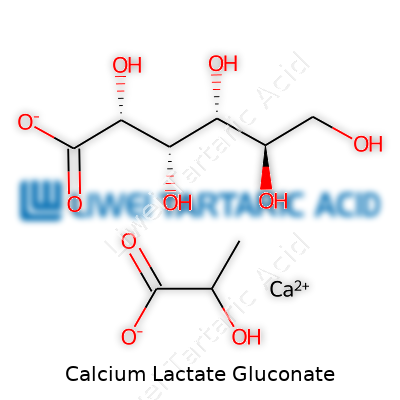
Industry professionals may call it Calglucon, calcium gluconate-lactate, or, less formally, soluble calcium. Some packaging shortens the name or lists its chemical formula, C9H16CaO10. Trusted suppliers include Jost Chemical, Jungbunzlauer, and Gadot Biochemical. In paperwork or customs forms, the full name usually appears, while everyday language among manufacturers and buyers uses whichever version fits the context. Pharmacies and clinics stick to the precise label for safety. Marketing teams often use catchy trade names to highlight special purity or application.
Globally, food safety authorities rate calcium lactate gluconate as generally recognized as safe (GRAS) when used within recommended concentrations. Production plants address dust control, as inhaling the powder can irritate respiratory tracts. Employees receive training on standard personal protective equipment — gloves and masks, eye protection where dusting could happen. Finished goods face routine batch testing for heavy metals, microbial contamination, and allergenic residue. National and international food safety standards require record-keeping and product recall readiness, ensuring a quick response if anything goes wrong down the supply chain.
Calcium lactate gluconate goes almost everywhere people need reliable calcium without a gritty mouthfeel or harsh aftertaste. Bottled beverage makers use it to raise mineral content in juice, water, and sports drinks, while bakeries fortify bread without compromising taste. Hospitals and nursing homes rely on it in medical nutrition, where patients struggle with traditional tablets or need enteral tube feeding. Chefs and mixologists have picked up the powder for spherification, creating delicate pearls in avant-garde dishes. Its mild, non-interacting character crosses borders, showing up in Asian soy milk, European breakfast cereals, and Latin American functional candies.
Researchers dig into calcium lactate gluconate’s strengths, looking at absorption rates, gastrointestinal comfort, and interactions with other dietary ingredients. Universities run tests comparing it against calcium phosphate or citrate in both young adults and older populations. Beverage technology teams try new flavor blends, checking for chemical stability through months on the shelf. Pharmaceutical developers work on fast-disintegrating tablets and new forms for those with swallowing difficulties. Ongoing clinical studies track how efficiently calcium from this compound enters the bloodstream versus other sources, aiming to fine-tune dosing recommendations for kids with deficiencies or women in pregnancy and menopause.
Long-term toxicity studies in rats and dogs find that calcium lactate gluconate, at typical supplemental doses, causes no developmental toxicity or cancer risk. Some research suggests mild gastrointestinal symptoms in sensitive people at high doses, such as bloating or transient diarrhea, mostly from the calcium load itself rather than any specific risk from the blend. Allergenicity tests turn up negative, and the compound hasn’t drawn attention for contamination risks given current manufacturing controls. Scientists watch closely for rare calcium-related complications, like kidney stones, especially in those with chronic kidney disease, but few reports tie those risks to this specific source.
Health and wellness trends point toward continued growth for calcium lactate gluconate, especially as the global population ages and scientists pay more attention to osteoporosis and childhood nutrition. As plant-based diets expand, demand for vegan-friendly, gentle-on-the-belly calcium fortification rises. Researchers are on the hunt for next-generation delivery systems like nano-encapsulation and fortification in clear beverages, where legacy calcium salts would cloud up or ruin taste. Plant-based dairy alternatives — almond, oat, and soy milks — keep makers searching for mineral sources that deliver not just fortification but also a pleasant experience. Emerging research stands to tighten up recommended dosing, connect supplementation to real-world improvements in bone health, and deliver new applications no one at calcium lactate gluconate’s birth ever imagined.
Lots of folks worry about getting enough calcium. It’s not just for strong bones; calcium helps the muscles contract and the nerves send signals. Getting that calcium from food isn’t always easy. Some people avoid dairy. Others struggle to absorb enough of it from what they eat. That’s where supplements step in, and calcium lactate gluconate has become one of the most popular forms.
Calcium lactate gluconate stands out because it dissolves easily in water, even in cold drinks. This feature means people can add it to drinks or even sprinkle it over food without fuss. It doesn’t turn gritty or leave behind a chalky texture. The body tends to tolerate it better than the classic calcium carbonate, which sometimes causes constipation or stomach upset. Doctors recommend it for folks who need to take higher doses, since it goes easier on the gut.
Food makers turn to calcium lactate gluconate because it works in places where other forms of calcium would throw off taste or texture. Processed foods and beverages like fruit juices, breakfast cereals, and sports drinks use it to boost nutrient content. Bakers use it in breads and pastries since it doesn’t make things taste bitter or chalky. Cheese makers sometimes rely on it to set curds or help the product stand up during storage.
Doctors in hospitals often reach for calcium lactate gluconate in emergencies, especially for patients with low calcium in their blood. In the intensive care unit, patients may need a quick shot of calcium, and the intravenous form helps stabilize things fast. Health professionals also use it in cases of hydrofluoric acid burns, since it helps neutralize the fluoride ions and protect the tissues. For someone with a dairy allergy or bigger absorption issues, doctors often choose this supplement over others.
Restaurants and home cooks sometimes use calcium lactate gluconate for culinary tricks. In modernist cooking (the kind that relies on science as much as flavor), chefs use it to help liquid foods hold their shape. When making spheres out of fruit juice or cocktails, calcium lactate gluconate interacts well with sodium alginate. Unlike straight calcium chloride, this ingredient doesn’t leave behind a salty or bitter taste, making it a favorite in creative kitchens.
Scientists, doctors, and public health experts have pointed out that millions of people around the world fall short on calcium. Food fortification programs that rely on calcium lactate gluconate help close the gap, especially in communities with less dairy in the diet. Making sure people know about these sources matters. Consumers checking ingredients lists should recognize the benefits of this form.
Too much calcium can cause problems just as too little can. Health professionals remind folks not to overdo it without a reason. Anyone thinking about boosting their calcium intake—whether from supplements or fortified foods—should check with their doctor. That way, they can aim for strong bones and healthy muscles without risking kidney stones or other issues. Doing a little homework on the supplement’s form and the source pays off. Calcium lactate gluconate offers an option that many people find gentle, effective, and versatile.
People often ask if calcium lactate gluconate is safe to consume every day. This compound pops up in sports drinks, nutritional supplements, and some processed foods. It’s formed by combining the salts of lactic acid and gluconic acid, both of which the body handles pretty well. I remember scanning ingredients on a recovery drink and finding this name, right after a tough workout. Back then, I wasn’t sure what to make of it either.
A lot of research shows calcium lactate gluconate breaks down easily in the digestive system. The body absorbs it better than some alternatives, such as plain calcium carbonate, and at lower risks of stomach upset. Both the European Food Safety Authority and the U.S. Food and Drug Administration mark it as safe for general use. Personally, after switching some supplements from carbonate to lactate gluconate, my digestion felt smoother — no more stomach tightness or those nagging cramps I used to get with chalkier pills.
Dose matters, as it does with all minerals. The safe upper limit for calcium for most adults sits around 2,500 mg per day from all food and supplements combined. Most people won’t hit that mark just from dietary sources unless they go wild on supplements. Most products add only moderate amounts of calcium lactate gluconate, just enough to support daily intake, not overload it.
Registered dietitians and nutritionists point out that the body absorbs about one-third of the calcium in each serving of calcium lactate gluconate. That absorption rate gives a gentle nudge to anyone struggling to keep bones strong as they age. Evidence ties regular, adequate calcium intake to stronger bones, steadier heart rhythms, and better muscle control. On the other hand, going far above the daily recommendations can lead to problems—like kidney stones or, over long stretches, heart strain. Too much of anything, including calcium, throws things off balance.
Years of reading food science newsletters taught me that product source makes a big difference. Not every supplement company follows the same safety standards. Contaminants slip into poorly-made pills, and sometimes labels show numbers that don’t match what’s inside. When I look for a supplement, I check for third-party testing labels before buying. Trusted brands tend to work with respected certifiers that guarantee clean production and accurate labeling.
Doctors recommend spreading calcium intake through the day, drinking plenty of water, and pairing calcium supplements with food. A routine like this cuts down on digestive side effects and helps the body use the mineral better. If you’re thinking about adding calcium lactate gluconate to your regimen, consider talking it over with your healthcare provider, especially if you have kidney or heart conditions, or if you already take several vitamins and minerals.
Lots of regular foods—including dairy, leafy greens, and seeds—carry healthy doses of calcium too. Mixing supplements and real food sources usually works out best, and you avoid stacking up too much of a single compound. If you keep an eye on your intake and source supplements wisely, calcium lactate gluconate stays a reliable choice for daily support.
Calcium supports strong bones, nerve signaling, and helps muscles contract. Living with brittle bones or dealing with muscle cramps, I’ve seen how calcium can become a lifeline. Doctors recommend calcium lactate gluconate for people struggling to meet their calcium needs from food alone. This form ends up in medicines, supplements, and even in intravenous solutions.
Like many supplements and medications, this calcium source brings some unwanted effects for certain folks. Stomach upset ranks at the top. I’ve spoken with people who complain about nausea, mild diarrhea, and sometimes constipation after starting a new calcium supplement. Most shrug these off, adjusting their meal routine or fluid intake to compensate.
Gas and bloating can show up, especially if you take more than you need. A lot of people expect quick results, so they take higher doses, hoping for faster recovery or prevention of osteoporosis. Too much calcium rarely helps, but it does lead to those uncomfortable gut symptoms.
Bloating might feel annoying, but the body can also react more seriously if calcium builds up in the blood. Doctors call it hypercalcemia. This doesn’t happen with small doses or if you stick with the recommended daily intake, but high or prolonged use raises the chance. Hypercalcemia looks different for each person: weakness, thirst, confusion, irregular heartbeat. In severe cases, it leads to kidney stones or even impacts kidney function.
I’ve talked with patients who wound up in the hospital, thinking a calcium supplement could only do them good. Their blood tests told another story. Medical journals like the Journal of Clinical Endocrinology and Metabolism confirm these risks, especially for people also taking high doses of vitamin D or for those with kidney disease.
People with kidney problems end up in trouble more often. Their kidneys don’t filter extra calcium very well, so supplements can make things worse fast. Those dealing with heart disease need to check in with their doctor before starting anything new. Calcium can slow the absorption of some medications, like antibiotics or thyroid hormones, which makes timing important. Mixing too many supplements or drugs without guidance sets up a real risk of side effects or negative interactions.
For anyone thinking about calcium lactate gluconate, start with a conversation with your doctor. Blood tests can show your baseline calcium status. Keep your diet honest—most folks get some calcium from dairy, leafy greens, or nuts. If you rely on supplements, read the label and follow dosing instructions. Taking more does not mean better health.
For parents, watch out with kids. Too much calcium during childhood can cause deposits in body tissues. Seniors face unique risks, too; their metabolism changes, and sensitivities to supplements are different.
Hydration helps. Drinking enough water lessens the chance of kidney stones and supports your kidneys in clearing out extra minerals. Avoid pairing large doses of calcium with iron or zinc at the same time; these compete for absorption and may leave you short on crucial nutrients.
Every supplement, even one as basic as calcium lactate gluconate, carries both promise and problems. Plenty of folks benefit from a little extra calcium, but ignoring side effects leaves you vulnerable. Advice from a trusted healthcare provider, plus a little common sense, makes all the difference. Stay aware, listen to your body, and keep the focus on health, not just numbers.
Calcium shapes strong bones, keeps nerves alert, and supports muscles. Sometimes, food doesn’t supply enough. Some people face trouble absorbing nutrients because of age, digestive problems, or certain medications. For them, calcium supplements like calcium lactate gluconate step in to bridge gaps.
Doctors often see folks worry about brittle bones, especially after middle age. Poor intake leads to weak bones or unpleasant cramps. Many reach for supplements that absorb well and cause fewer digestive troubles than old-school calcium tablets.
This isn’t the same as chalky antacids. It’s a blend developed to dissolve easy in water and drinks. Hospitals and clinics use it when folks can’t absorb regular supplements. It avoids rough stomach issues some tablets cause. It dissolves readily into solutions, so it goes down without complaint for those who struggle with pills.
Adults usually need around 1000 milligrams of calcium every day. For older adults and teenage kids, the target goes up to 1200 milligrams. Not all of this must come from pills—a mix of dairy, leafy greens, and nuts adds up through the day.
One gram of calcium lactate gluconate delivers less calcium than pure calcium tablets. This form contains roughly 9% elemental calcium by weight. Counting the dose right, a person aiming for 500 milligrams actual calcium might need about 5.5 grams of the powder or solution.
Doctors recommend splitting the day’s dose into two or three smaller servings. Swallowing too much at once makes it tough for the body to soak it all in. Eating it with food helps, since the stomach’s natural acid helps break it down. Milk, juices, or even just water make go-to options for those mixing the powder.
For anyone starting these supplements, health professionals suggest talking to a doctor or pharmacist first. Certain kidney issues, heart problems, or medications don’t mix well. Some blood pressure medicines and antibiotics lose effectiveness or lead to problems when mixed unknowingly with calcium. Facts matter—cross-check combinations before starting.
Parents, older adults, and folks on restricted diets sometimes struggle most with getting enough calcium. Mixing this supplement into drinks really helps—especially for kids and seniors who won’t swallow big tablets. It tastes less chalky compared to the classic tablets, so it slides into breakfast juice or an evening shake pretty well.
Doctors often remind people not to guess their own calcium needs. Too much can lead to kidney stones and stomach pain. Checking blood work or bone density scans every few years gives a clear picture of what the body needs. Nutrition labels often hide the real story about how much calcium gets into the bloodstream. Choosing a reputable supplement brand and measuring doses makes a real difference.
Filling a calcium gap doesn’t need to be overwhelming. Start with whole foods, check in with a health professional, and if a supplement fits, use a measured scoop—not guesswork. People feel stronger and move better when the right nutrients are on board.
During pregnancy and breastfeeding, calcium plays a bigger role than many realize. The growing baby builds bones, teeth, and muscles with help from calcium drawn from its mother’s body. For moms who fall short on their intake, weakened bones and dental issues can creep up later. Many start shopping for supplements or checking ingredient labels to stay ahead, and one name pops up here and there: calcium lactate gluconate.
Calcium lactate gluconate stands out because it dissolves in water and works well for people who can't handle traditional calcium tablets or dairy. Hospitals use it in emergency settings to treat severe calcium deficiencies and heart rhythm problems. Food manufacturers sometimes enrich juices, bottled water, and infant formula with it. Despite its pharmaceutical roots, it doesn’t get as much attention as calcium carbonate or citrate among prenatal vitamins.
For those expecting a baby or nursing, safety comes first. Most prenatal vitamins use other calcium salts, largely because of their cost and how much calcium they pack in per tablet. Calcium lactate gluconate contains about 9% elemental calcium by weight, so tablets tend to be bigger or require higher doses to hit the daily target—around 1,000 mg of calcium for adults, and a little more for teens. The United States National Institutes of Health (NIH) sets strict guidelines for total daily intake, warning against exceeding 2,500 mg for adults to avoid kidney stones or mineral imbalances.
The U.S. Food and Drug Administration (FDA) categorizes calcium compounds as “generally recognized as safe” (GRAS), and studies on calcium lactate gluconate show no risk of birth defects. It has found use in medical settings for both pregnant and nursing women, especially for those who struggle with absorption or need it delivered intravenously. Doctors rely on this form in emergencies because it’s less likely to cause tissue irritation than calcium chloride.
As someone who has worked with expectant mothers as a nutrition counselor, I’ve seen how supplement choices can turn into a maze. Concerns about additives and absorption, trouble swallowing giant tablets, and doubts about taking “less usual” minerals all come up. With calcium lactate gluconate, I usually point out that most reputable prenatal brands opt for calcium carbonate or citrate because it’s tough to pack enough elemental calcium into a small, easy-to-take pill with gluconate blends. This isn’t a knock on its safety—just a matter of practicality for reaching recommended calcium intake every day.
For pregnant women facing digestive troubles, lactose intolerance, or trouble absorbing other forms of calcium, calcium lactate gluconate sometimes makes sense. A few have gotten better results with this kind, especially when branded supplements caused gas, bloating, or constipation. Still, it pays to check labels, calculate real calcium content, and talk honestly with a healthcare provider.
Food comes first, so milk, cheese, yogurt, tofu, dark leafy greens, and fortified juices cover most needs in a balanced diet. For those needing supplementation, splitting doses throughout the day improves absorption. For anyone considering calcium lactate gluconate, consulting a doctor or registered dietitian can guide the right dose and product. Staying hydrated and aiming for variety in calcium sources supports both the developing baby and the mom’s bones for the long run.

Providing high-quality chemical products and logistics solutions for global trade partners.



